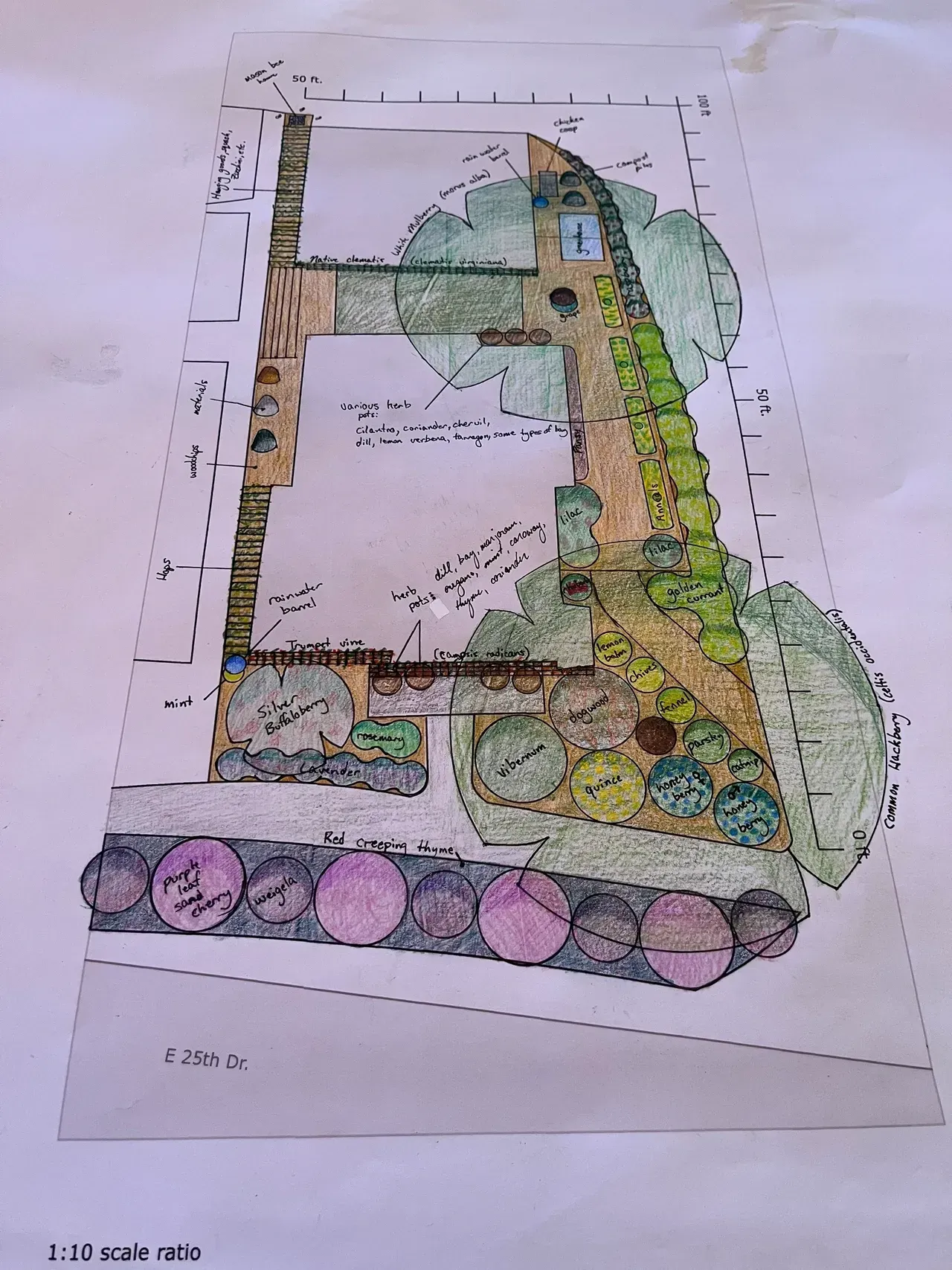
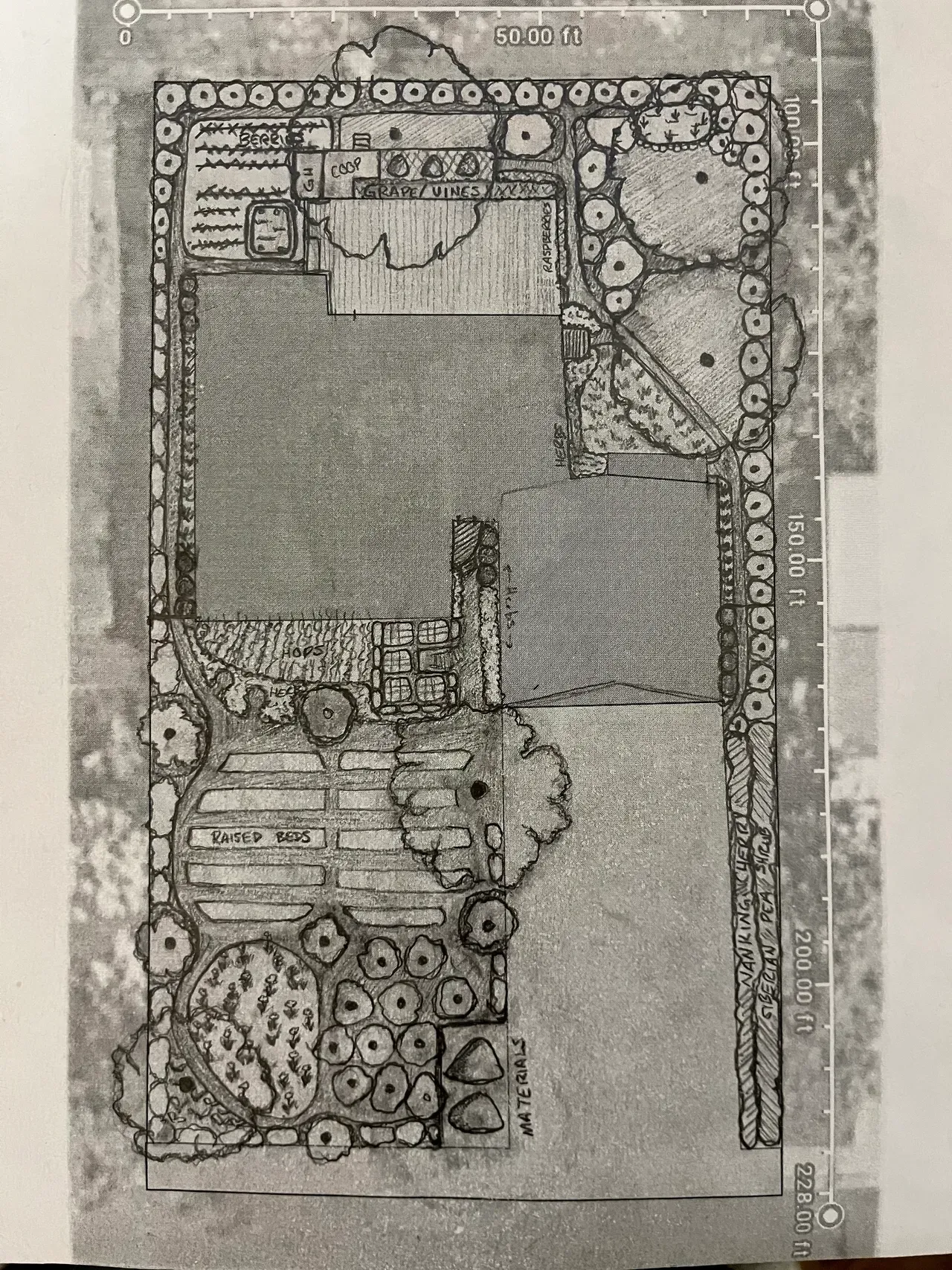
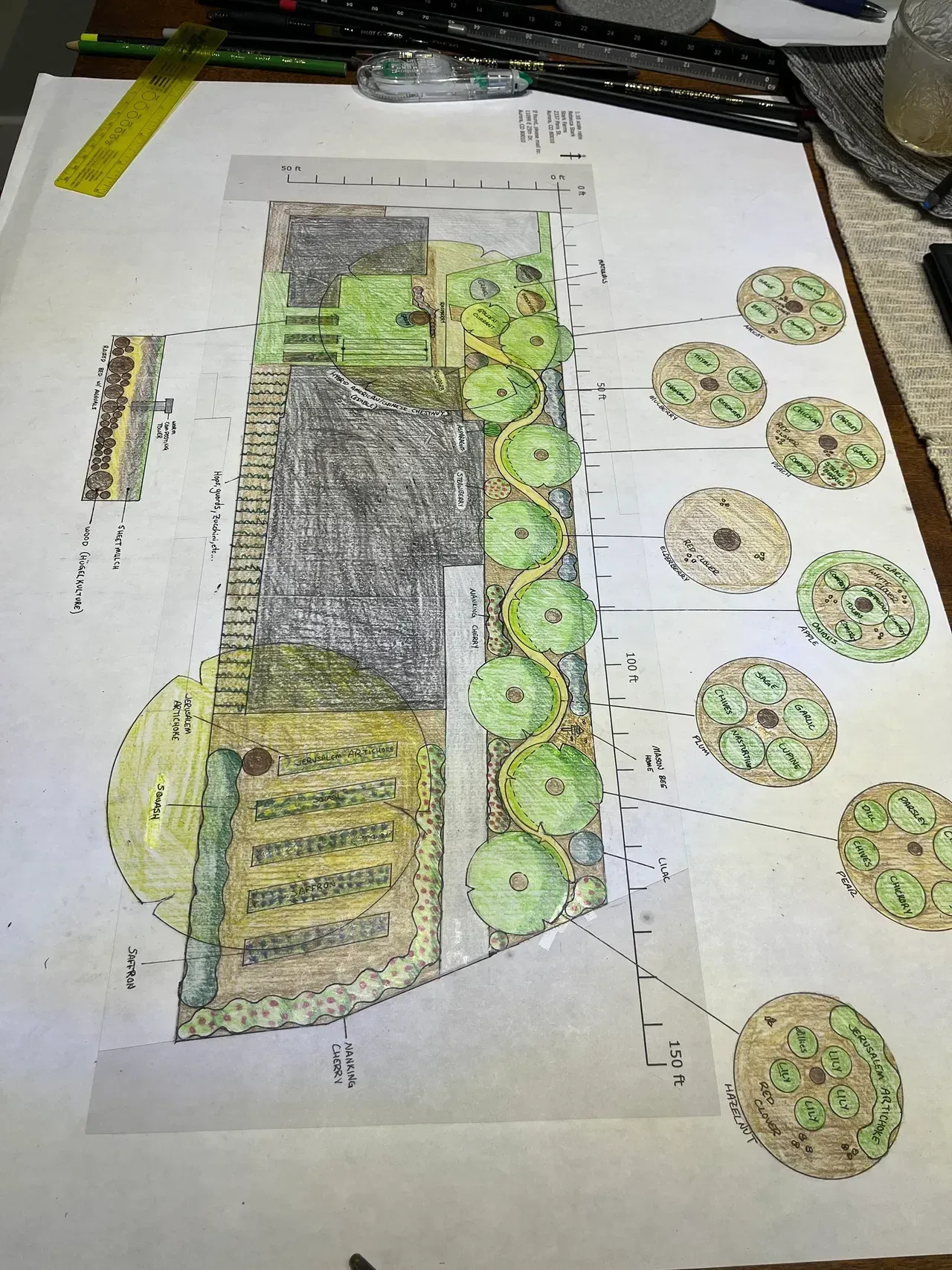
I offersite-specific permaculture design and consultationfor homes, homesteads, and small-acreage properties, with a practical focus on water, soil, planting, infrastructure, and long-term stewardship.
Permaculture looks beyond individual features like a garden, orchard, or irrigation system. It considers howpeople,water,soil,plants,animals,structures,access,climate, anddaily lifeinteract across the property.
The goal is to develop a design that makes sense for your land, your priorities, and the time and resources you realistically have available.
Services
Permaculture Design Services - $2,100
Acomprehensive,site-specific permaculture designfor your land, home, or homestead, delivered as a complete PDF report.
Drawing on training under Geoff Lawton and hands-on experience as a self-taught homesteader, this package includes:
A full site assessment
Zone and sector analysis
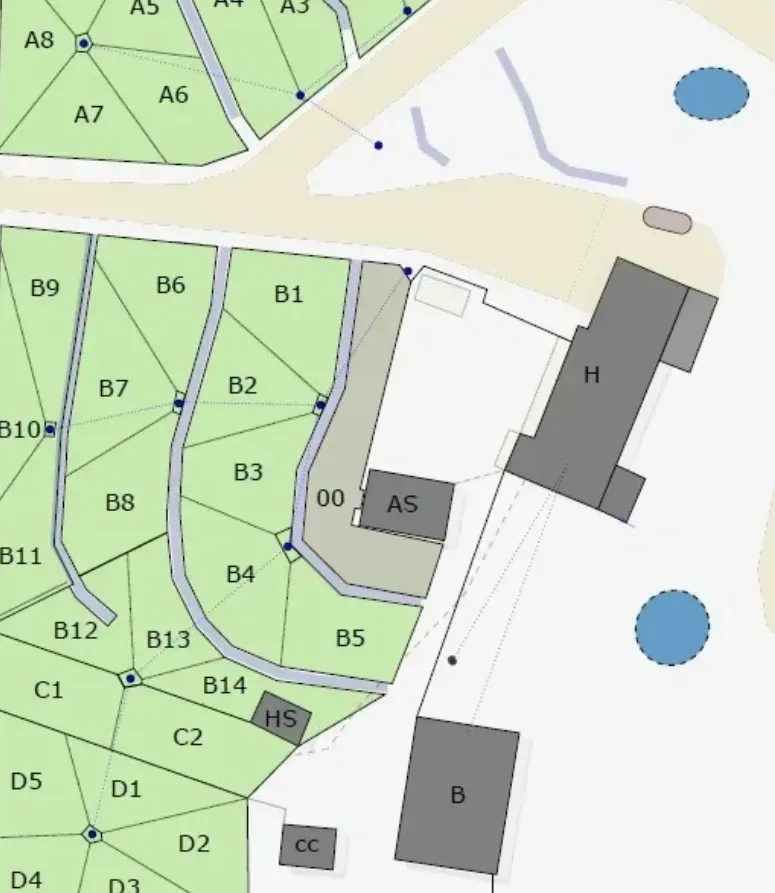
Detailed design plan for water systems
Soil building strategies
Planting systems and guilds
Food-production opportunities
Access and infrastructure
Long-term land stewardship, tailored to your specific climate, terrain, and goals
The design also lays out a realistic implementation sequence, phased to match your available time and budget, so you know exactly what to prioritize first and what can wait, rather than facing an all-or-nothing plan.
Aflexible,one-on-one consultationfor your land, home, or project. Whether you're just starting to plan, troubleshooting an existing design, or want a second set of eyes before moving forward, this session meets you where you are.
Drawing on training under Geoff Lawton, hands-on homesteading experience, and a background in psychology, I bring a grounded, people-aware lens to design work.
That often means surfacing the underlying strengths, blind spots, and relational dynamics- yours, your household's, your land partners'- that shape whether a design actually gets built and maintained, not just whether it's technically sound.
We begin with your goals, current conditions, existing systems, challenges, and what you hope the property can become.
2. Look at the Relationships
Rather than treating water, soil, planting, animals, access, and infrastructure as separate problems, I look at how they influence one another.
3. Develop the Design
For comprehensive projects, I translate those observations into a site-specific design with recommendations for the major systems across the property.
4. Prioritize Implementation
The final plan identifies what deserves attention first and how later stages can develop over time as your budget, capacity, and property evolve.
Consultation Options
Ways to Work Together on Your Property
Virtual Consultation
Meet remotely for focused guidance, troubleshooting, design review, or ongoing planning tailored to your property and current goals.
In-Person Site Work
Meet on-site for direct observation, practical recommendations, and property-specific guidance. Available for select projects in Colorado and Montana.
Remote Design
Develop a comprehensive property design remotely using maps, photos, site information, climate data, and conversations about your goals.
Permaculture Design in Practice
Permaculture Portfolio
Permaculture Design in Practice
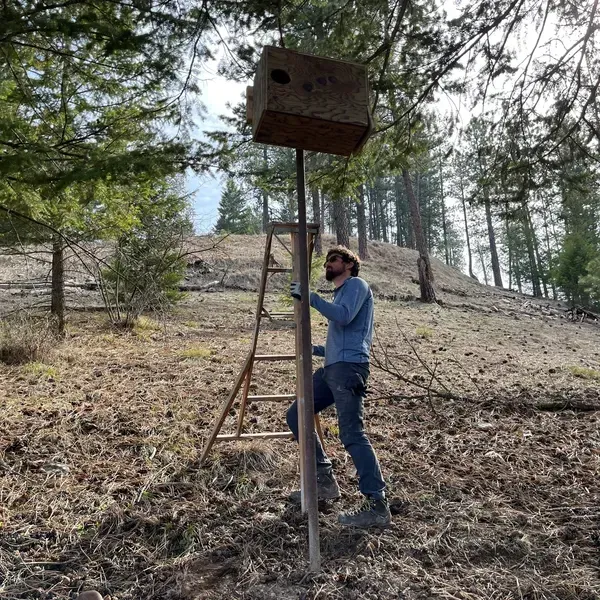
Every property presents a different combination of people, climate, terrain, resources, limitations, and opportunities. Explore examples of the systems and hands-on work that inform my approach to regenerative design.
People Care
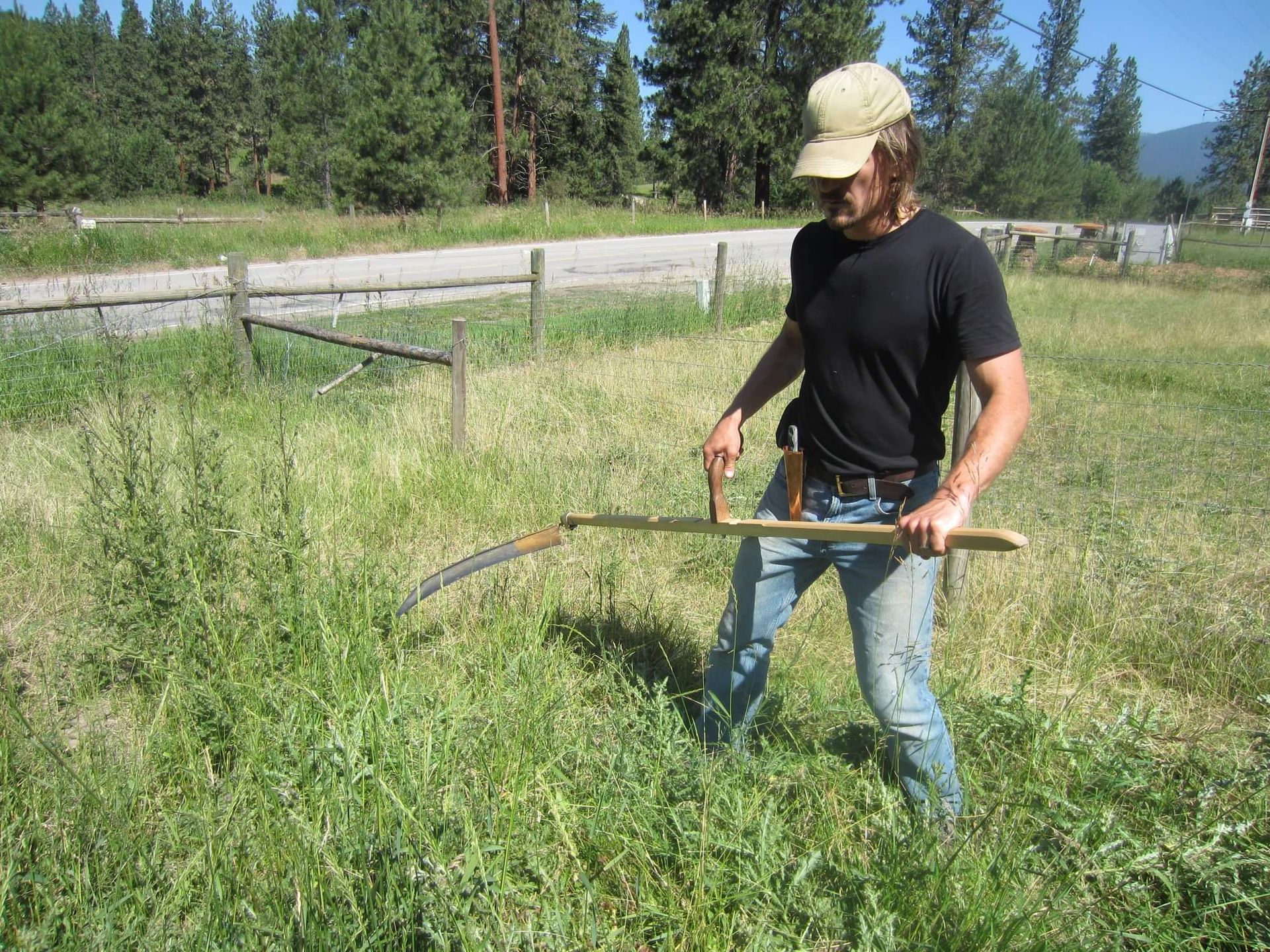
Design shaped around the people who live with and maintain the land.
Soil & Site Regeneration
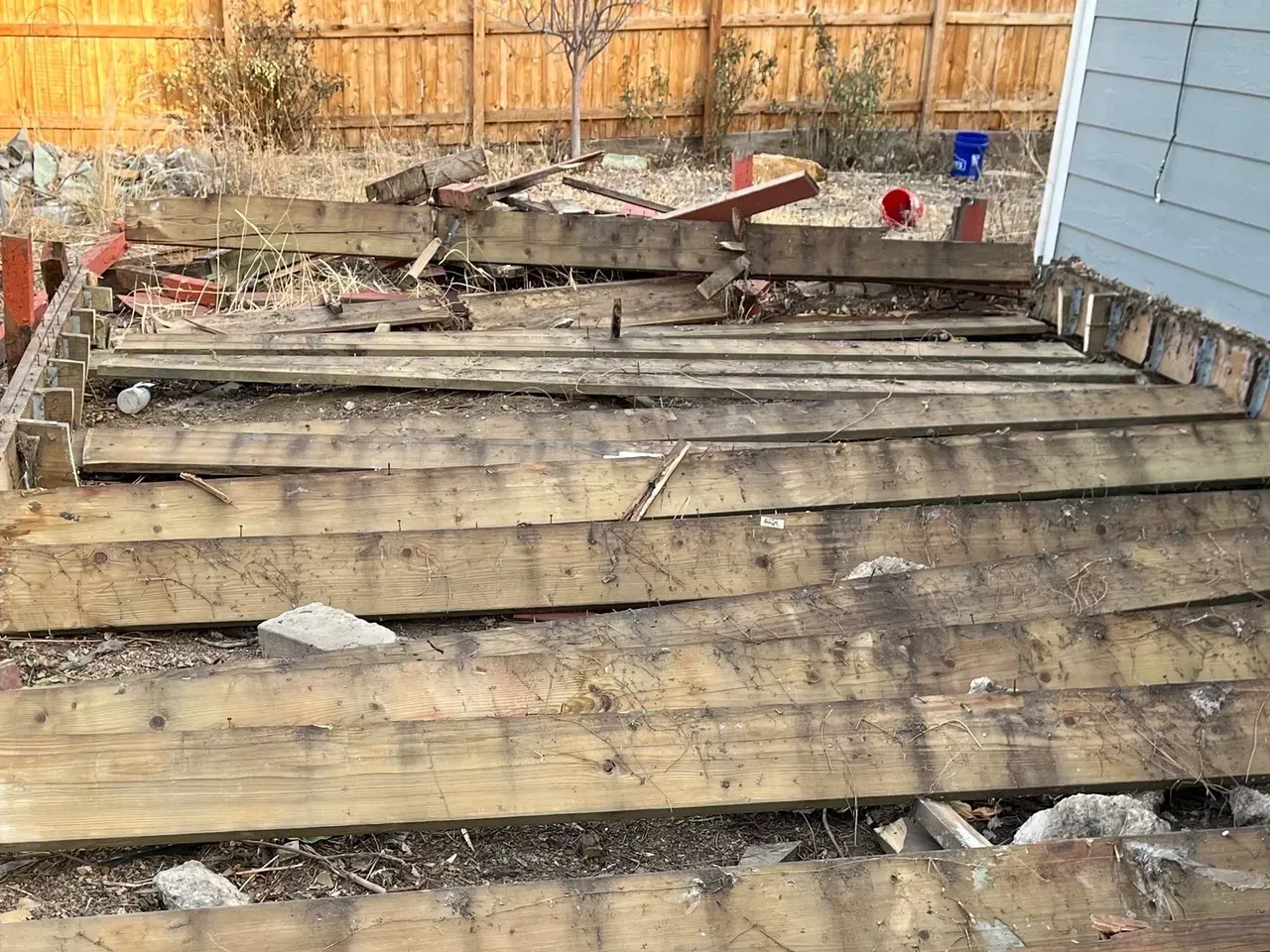
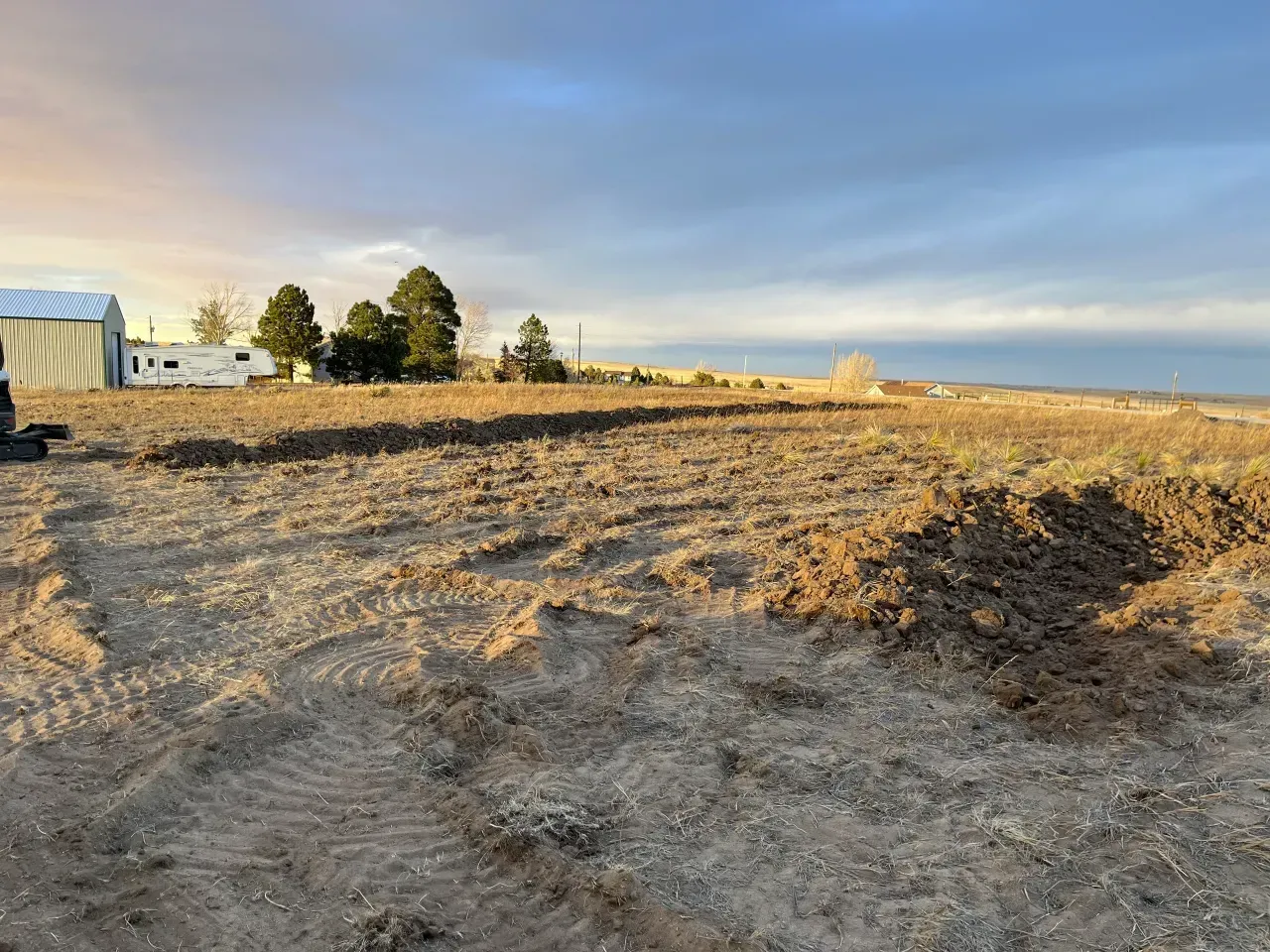
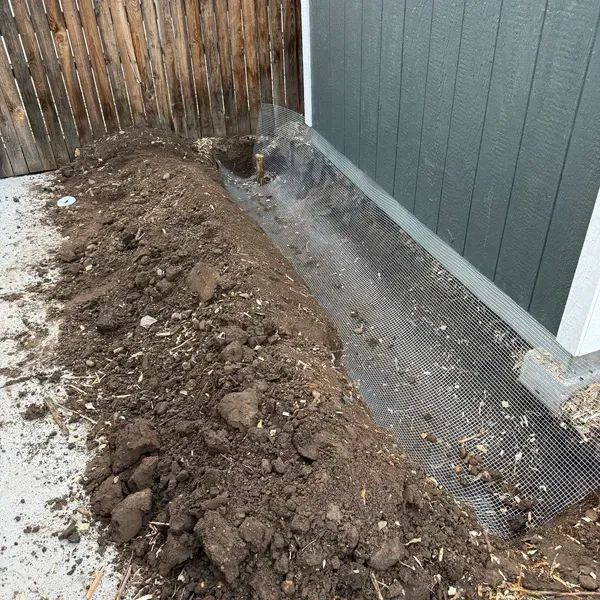
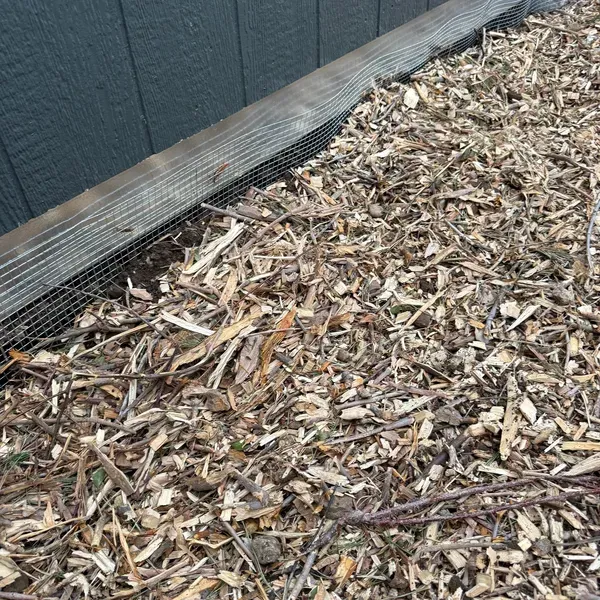
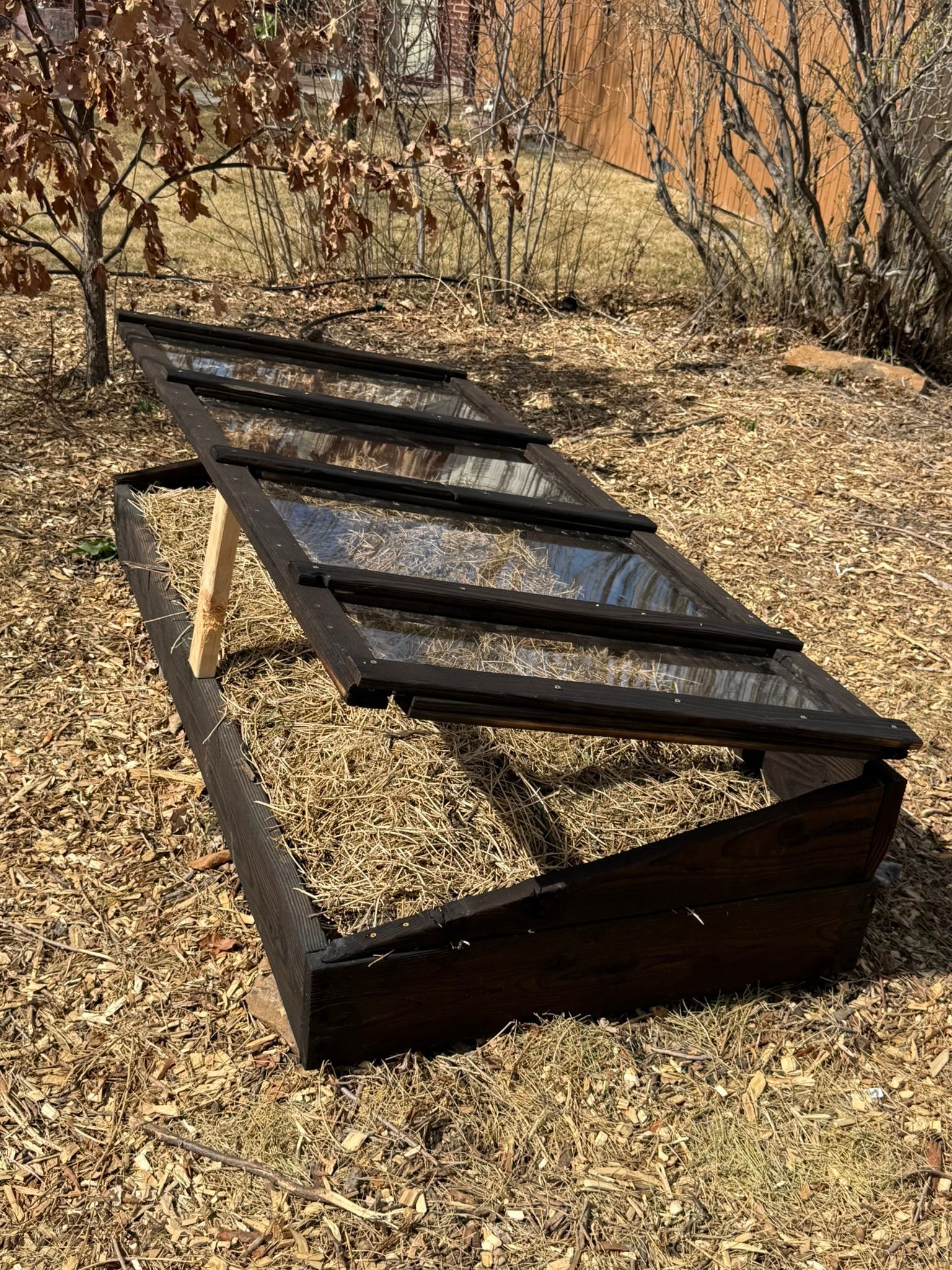
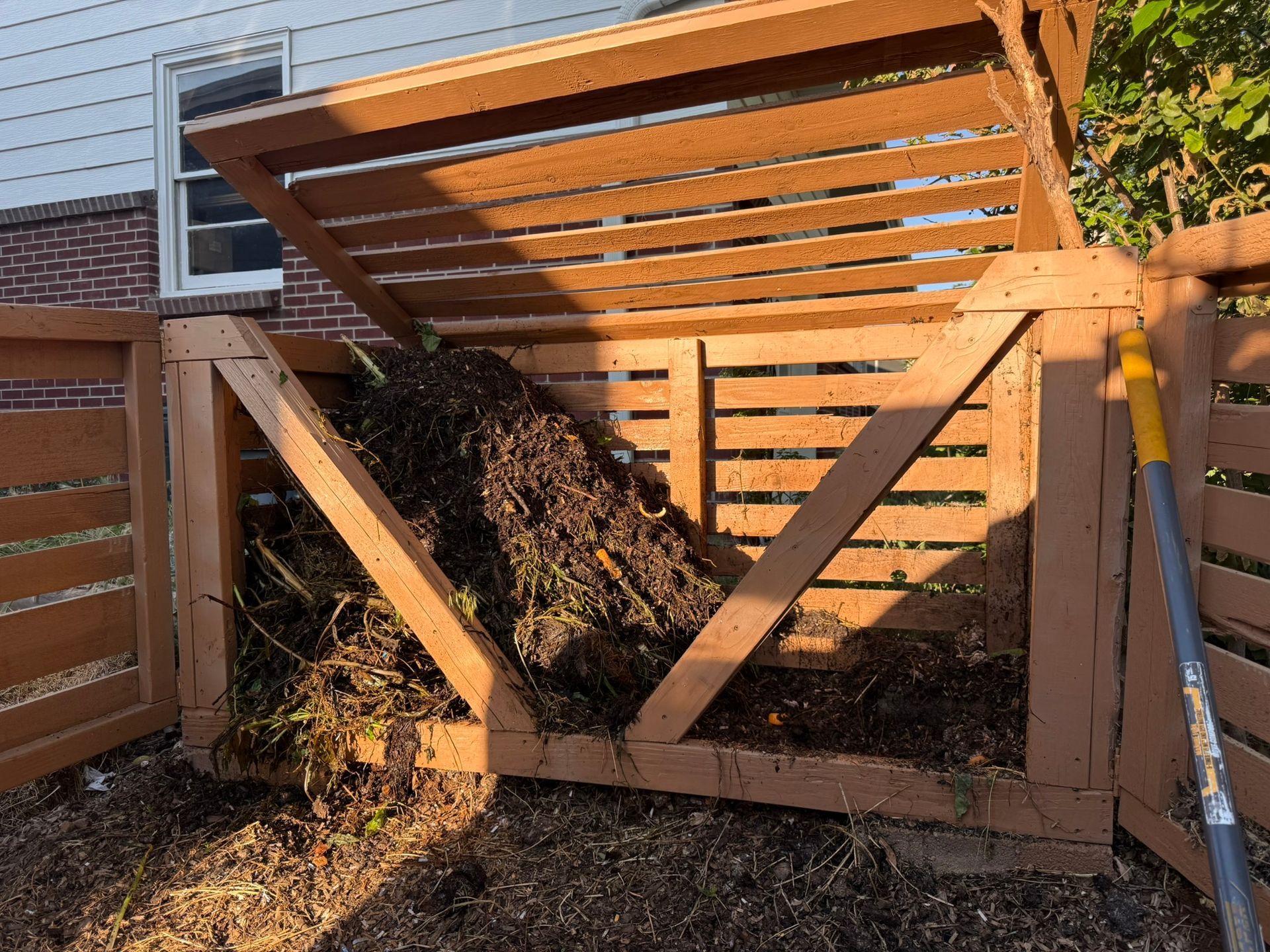
Improving soil, drainage, and site conditions to create a stronger foundation.
Water & Earthworks
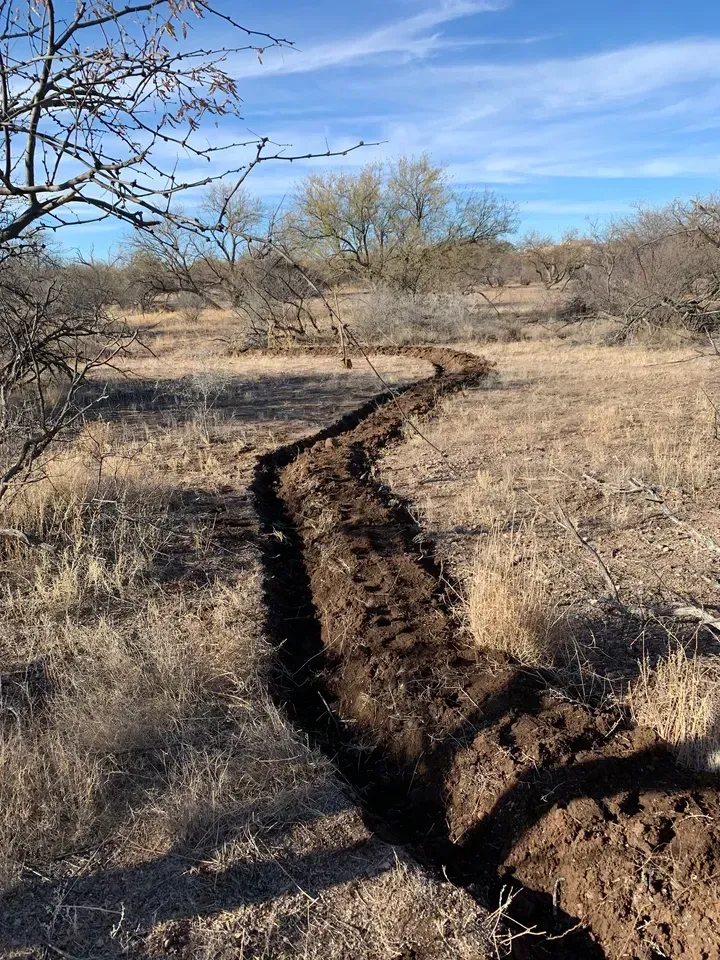
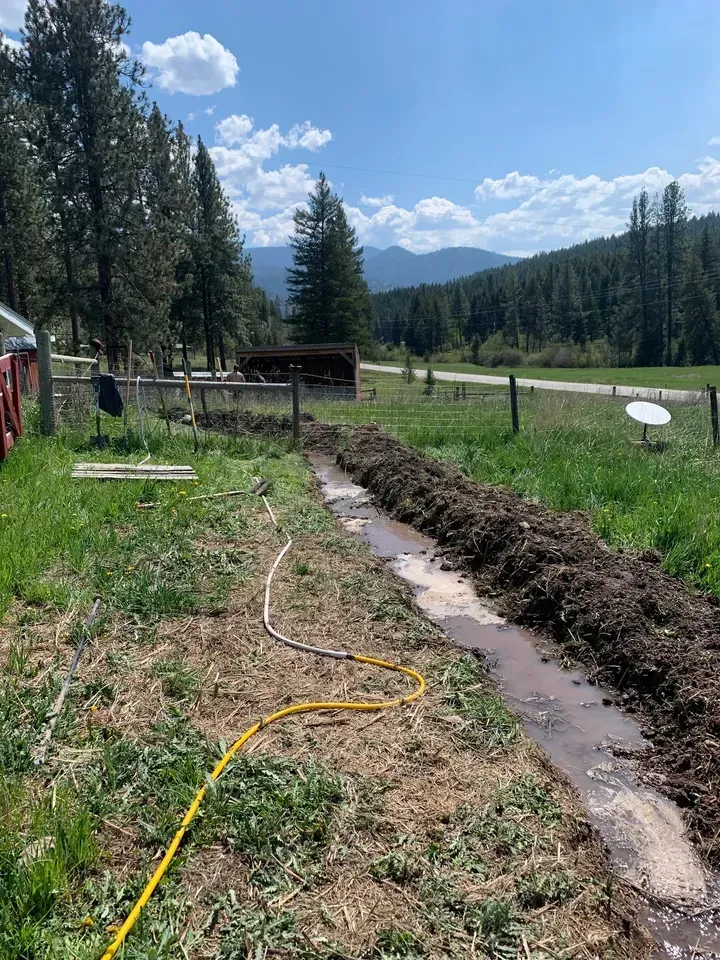
Working with the movement of water to support a more resilient landscape.
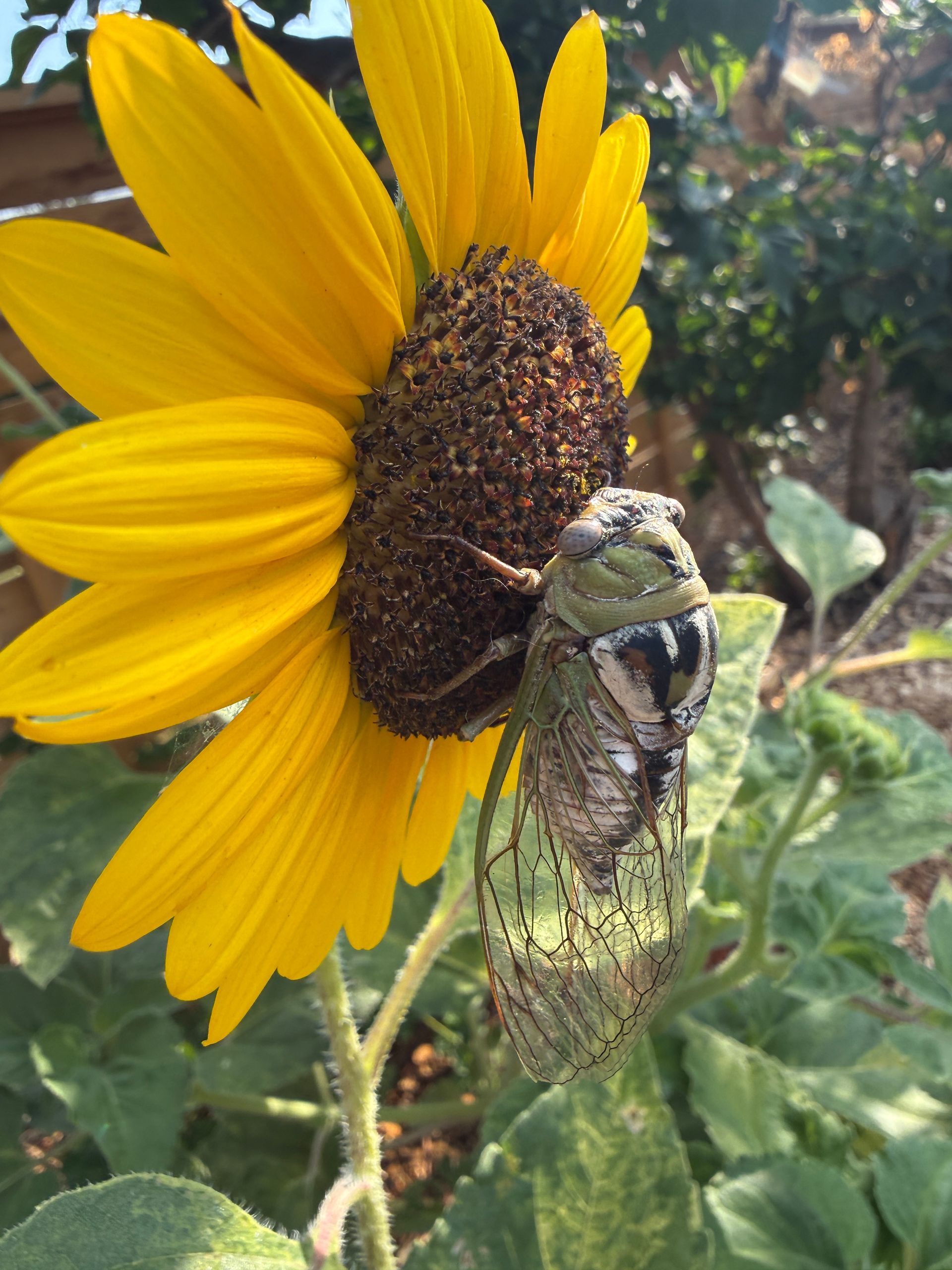
Habitat, Pollinators & Pest Management
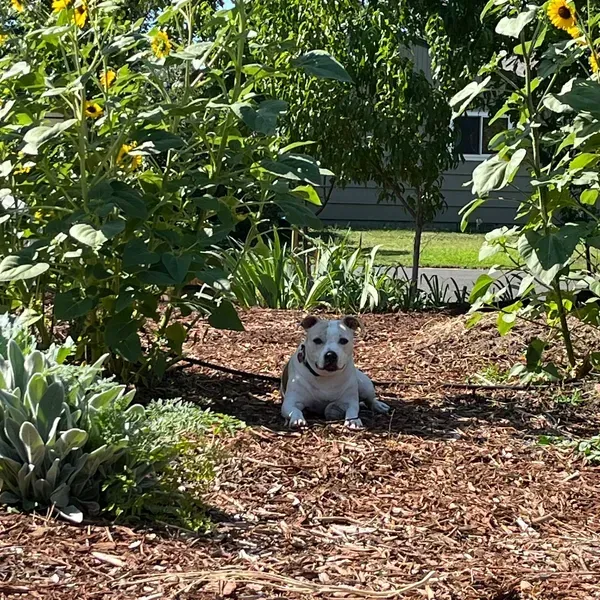
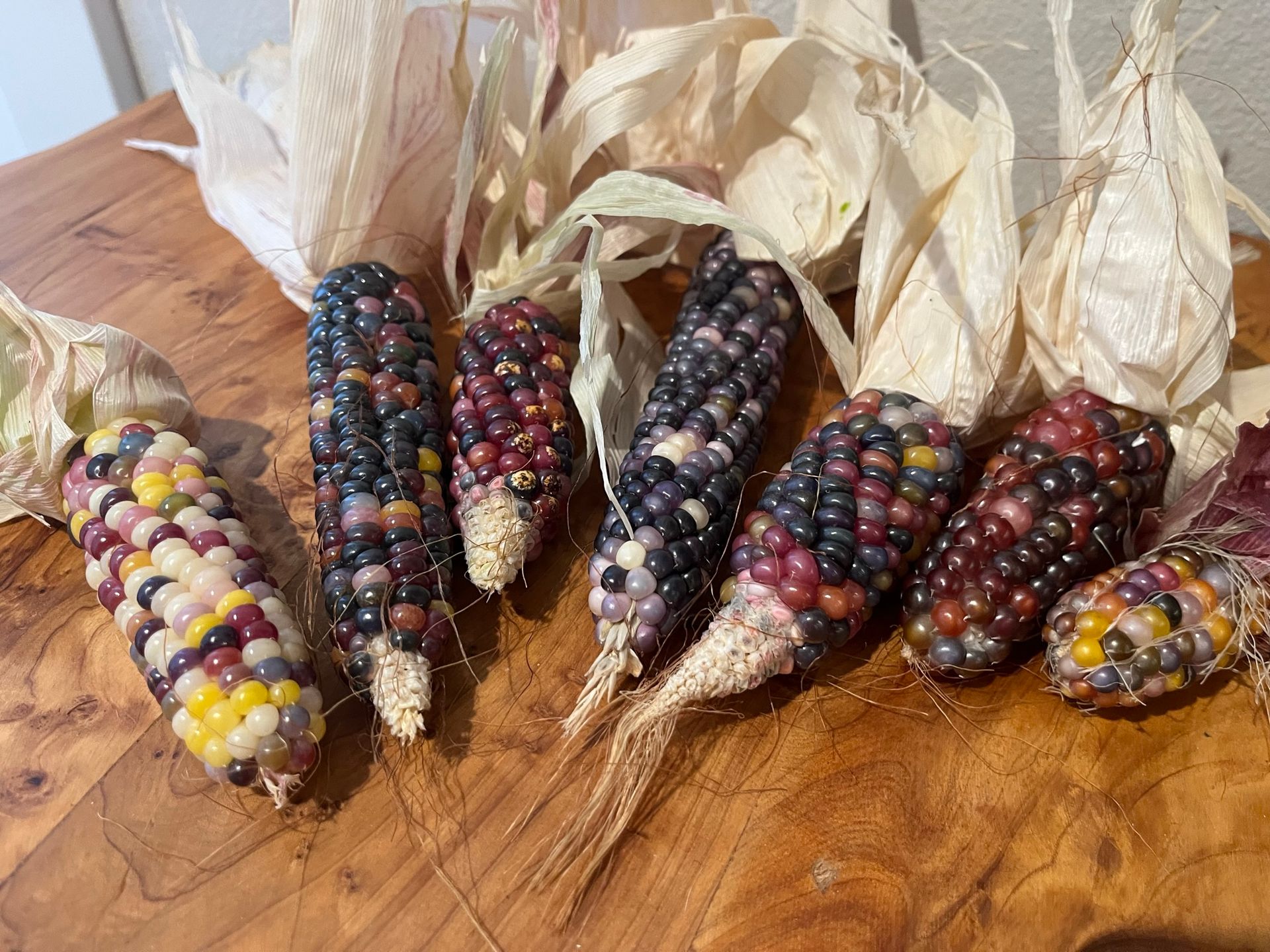
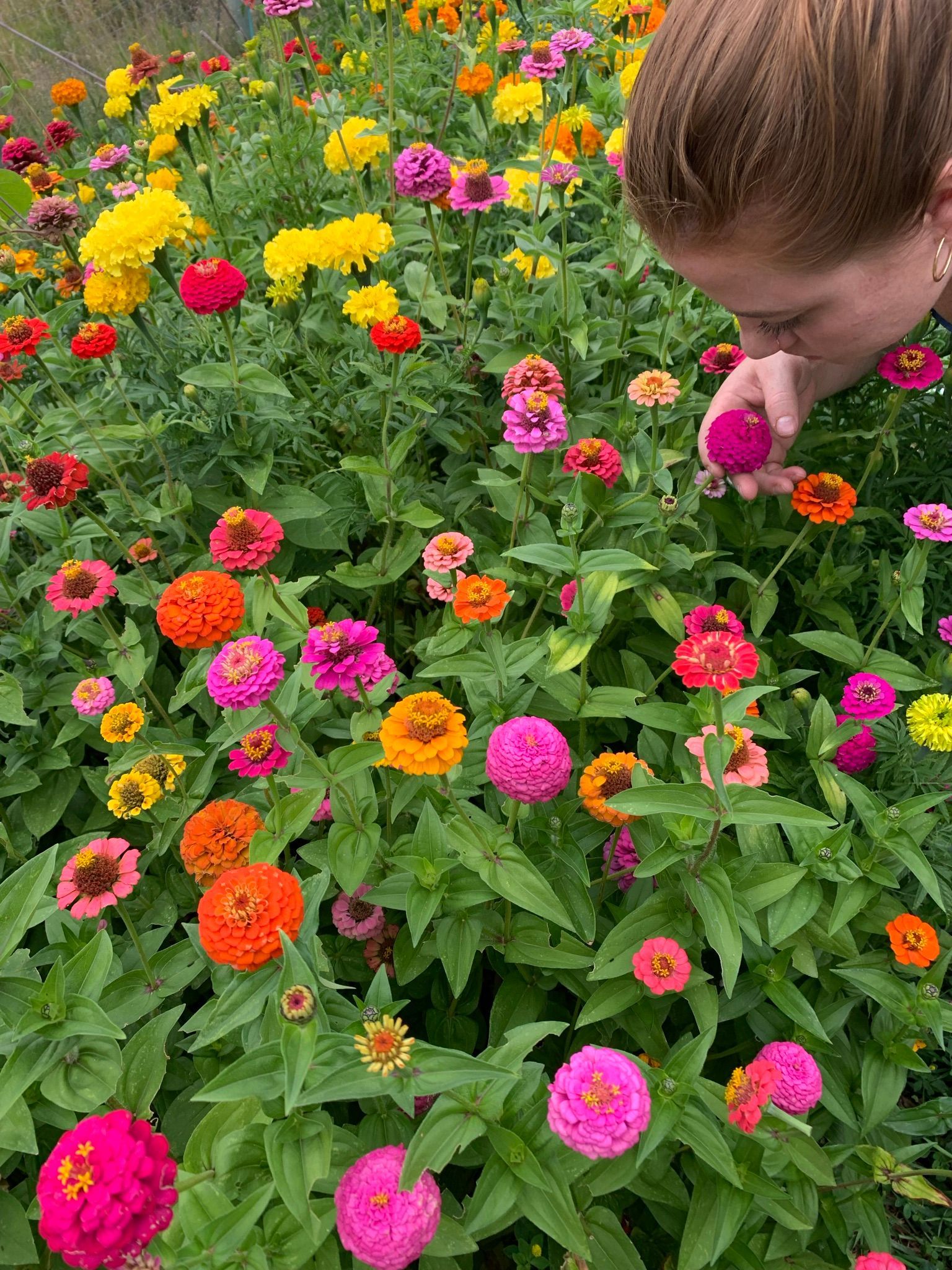
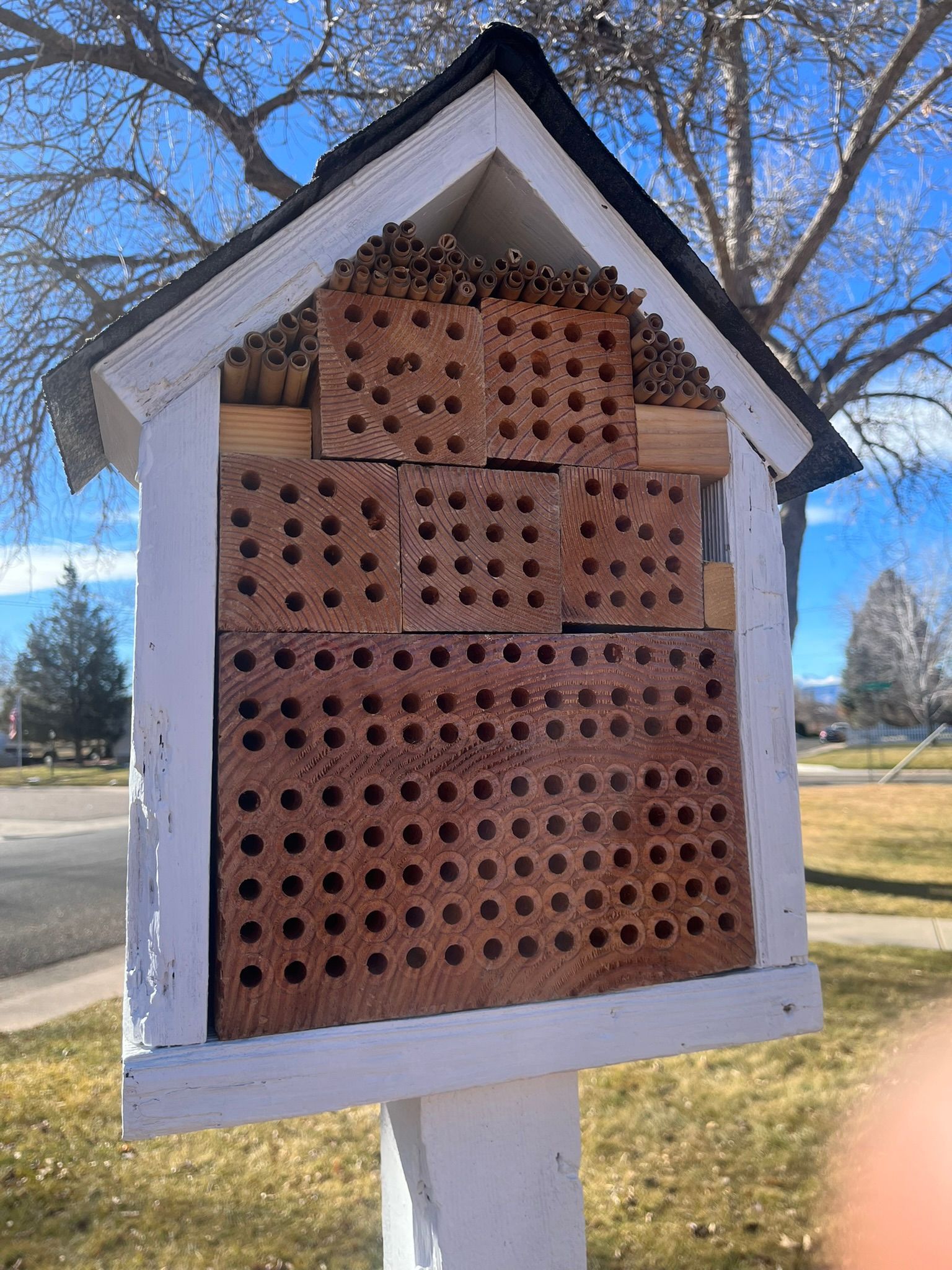
Creating healthier relationships between plants, animals, pollinators, and pests.
Practical Infrastructure
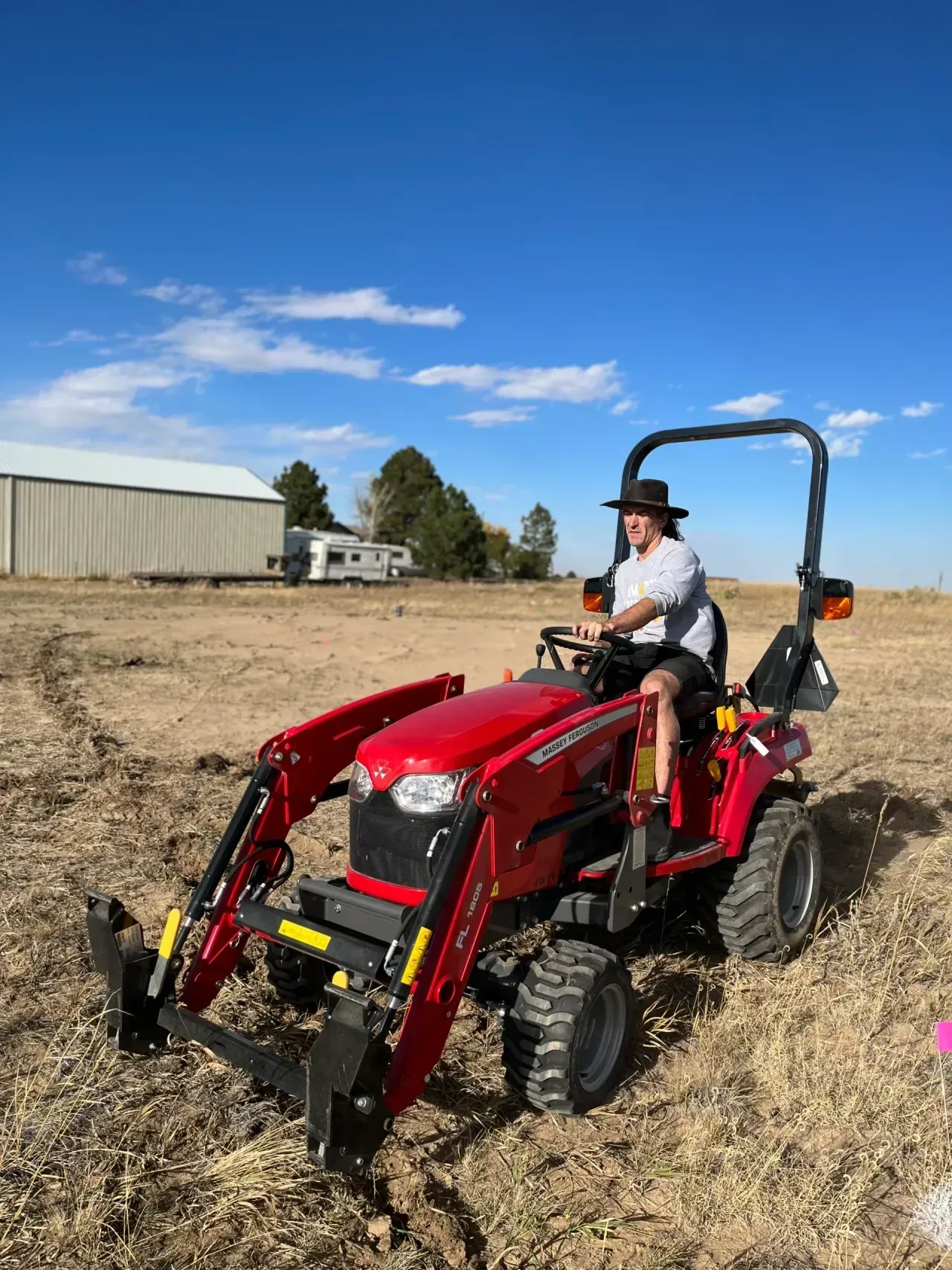
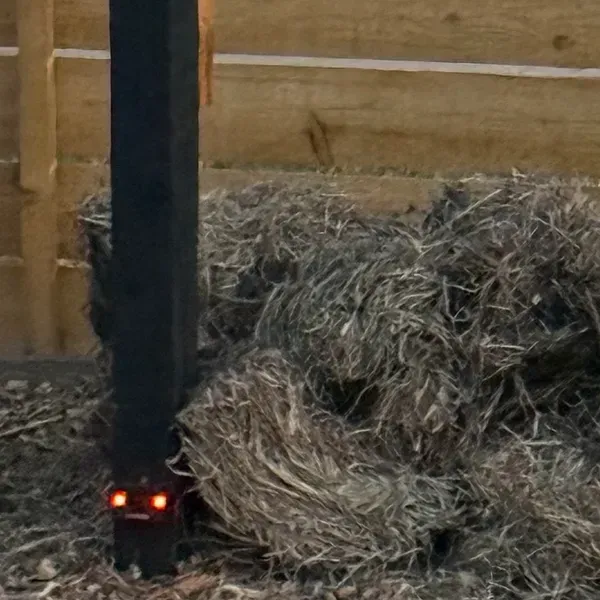
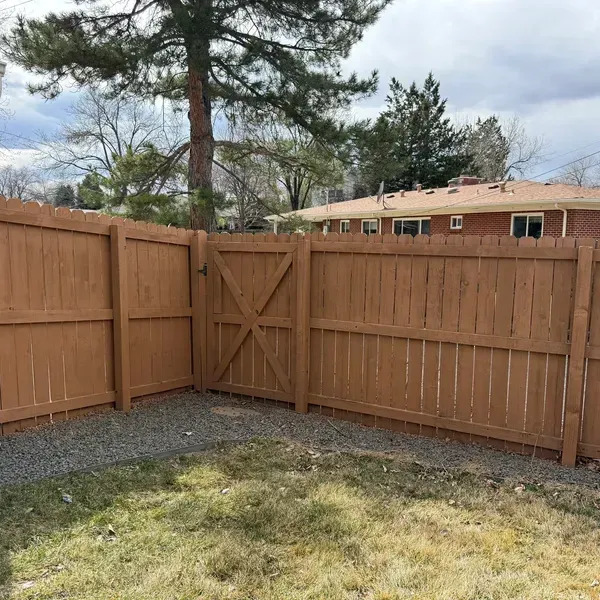
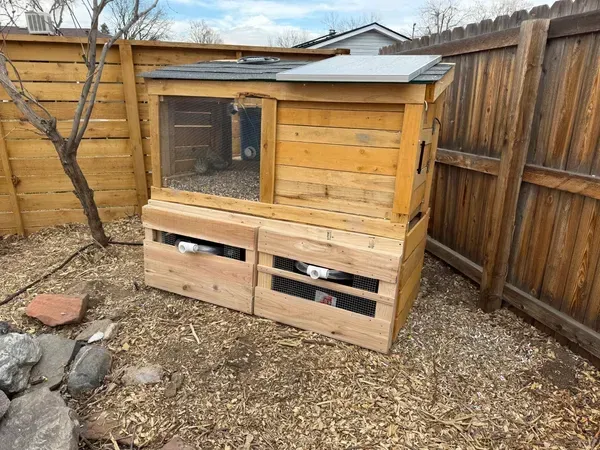
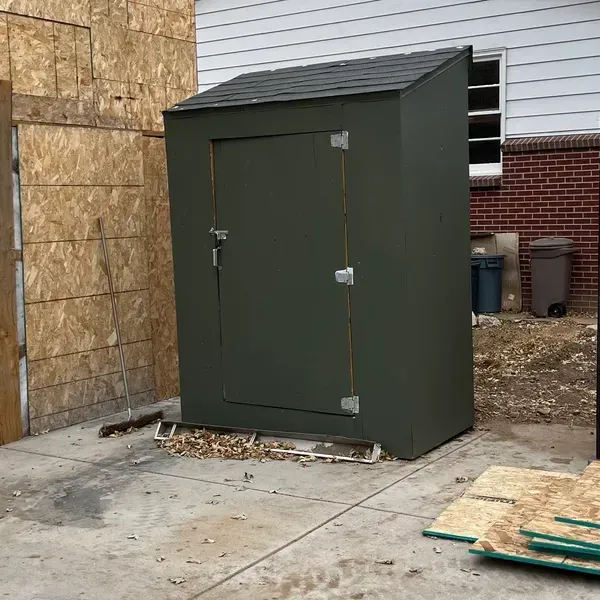
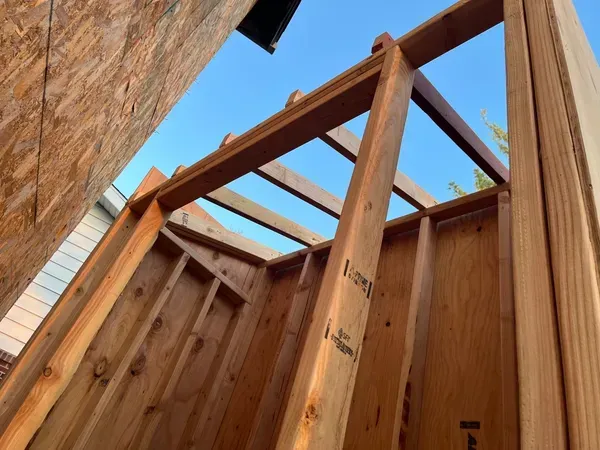
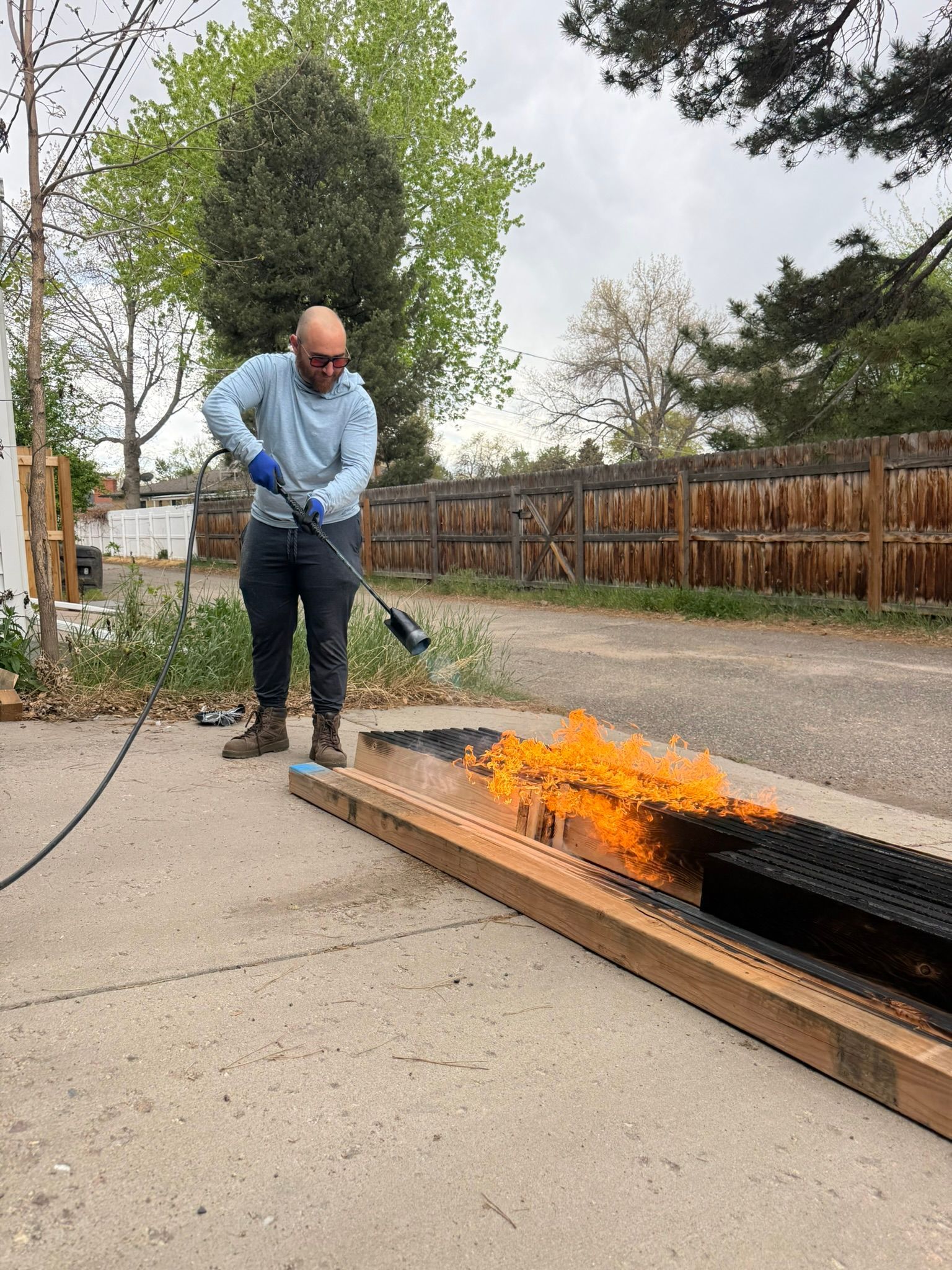
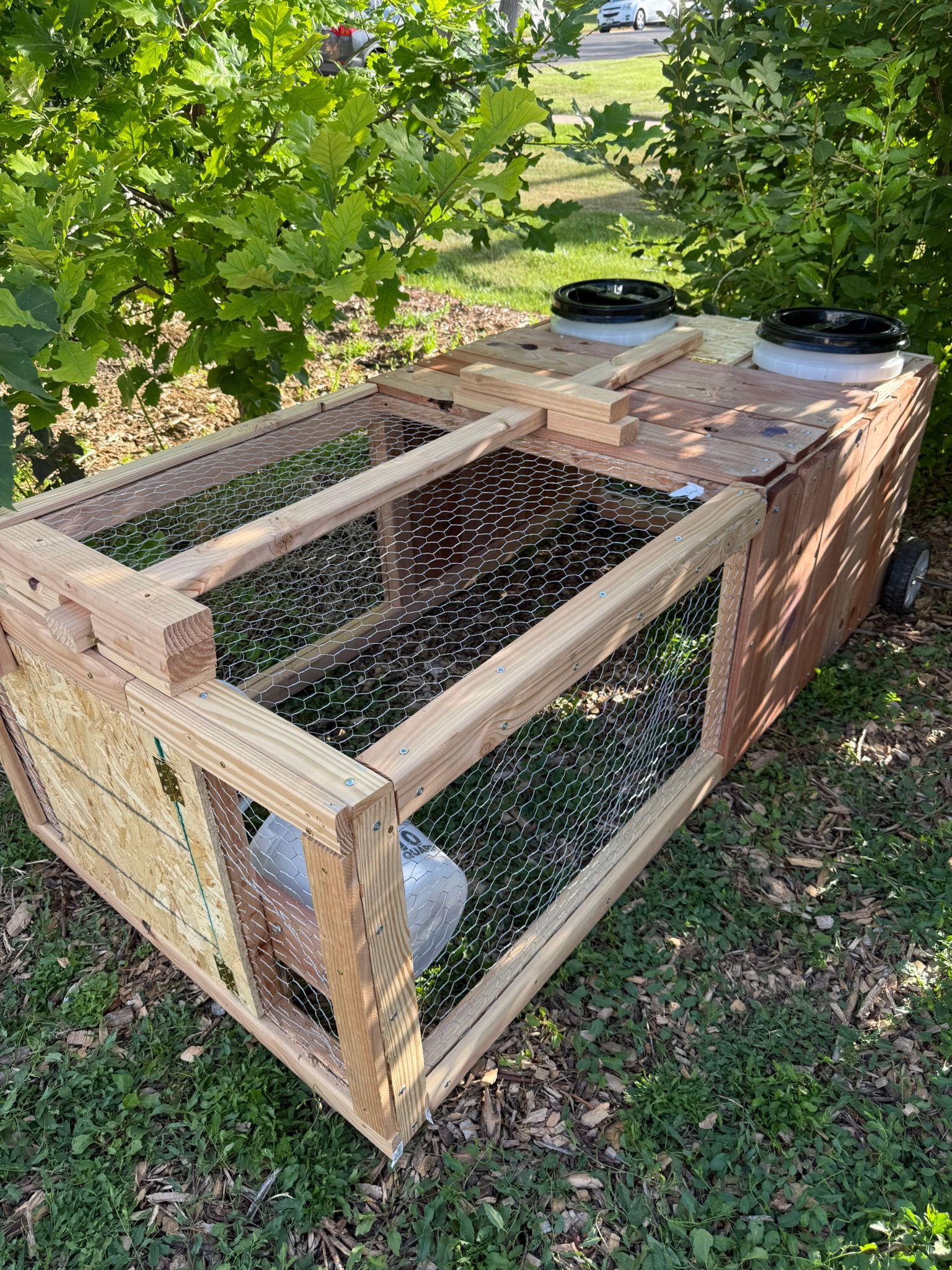
Integrating fencing, plumbing, irrigation, and construction into the larger system.
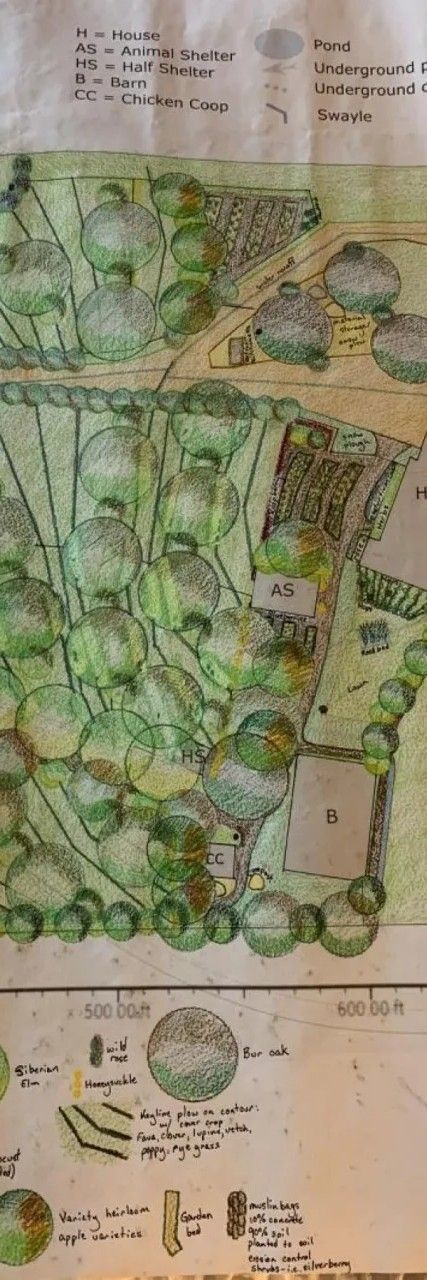
Personalized Site Design
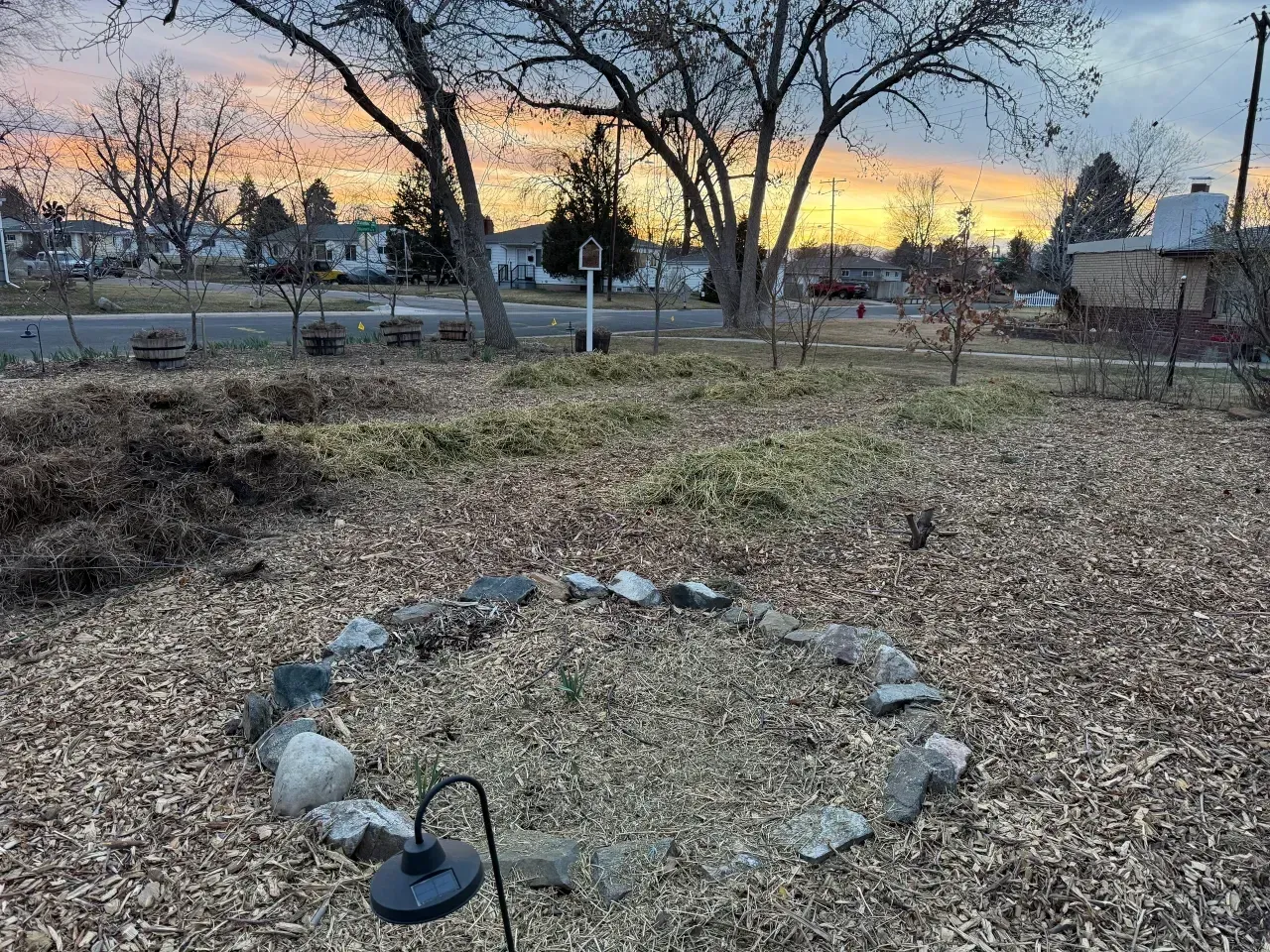
Bringing the property’s needs, opportunities, and systems together in one cohesive plan.
Every property presents a different combination of people, climate, terrain, resources, limitations, and opportunities. Explore examples of the systems and hands-on work that inform my approach to regenerative design.
People Care
Design shaped around the people who live with and maintain the land.
Soil & Site Regeneration
Improving soil, drainage, and site conditions to create a stronger foundation.
Water & Earthworks
Working with the movement of water to support a more resilient landscape.
Habitat, Pollinators & Pest Management
Creating healthier relationships between plants, animals, pollinators, and pests.
Practical Infrastructure
Integrating fencing, plumbing, irrigation, and construction into the larger system.
Personalized Site Design
Bringing the property's needs, opportunities, and systems together in one cohesive plan.
Experience
Designed From Practice, Not Just Theory
My approach to permaculture comes from both formal training and years of learning directly from the land.
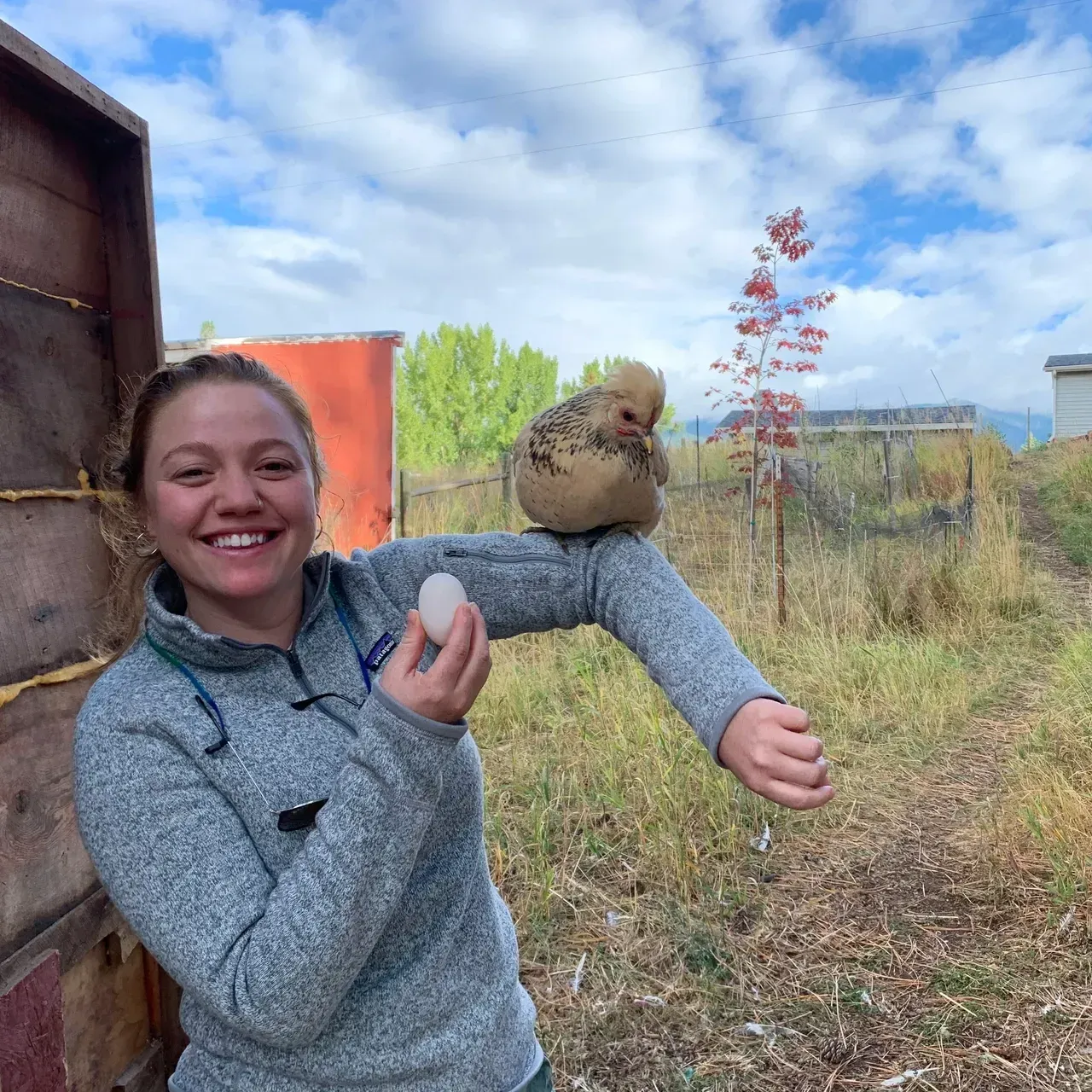
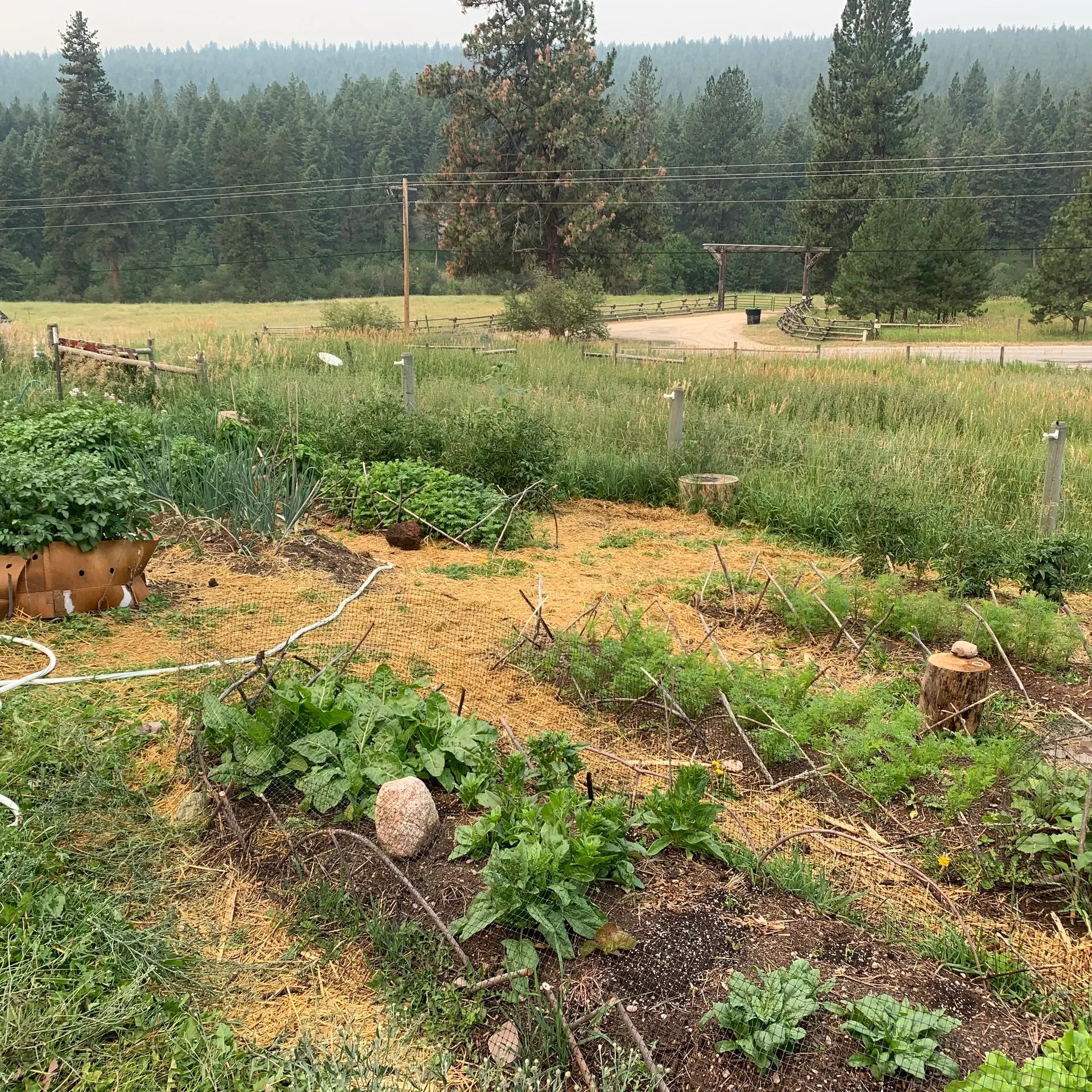
I trained in permaculture underGeoff Lawtonand have spent more than a decade working hands-on with regenerative systems, including the development and management of a six-acre homestead in Montana.
That experience has included:
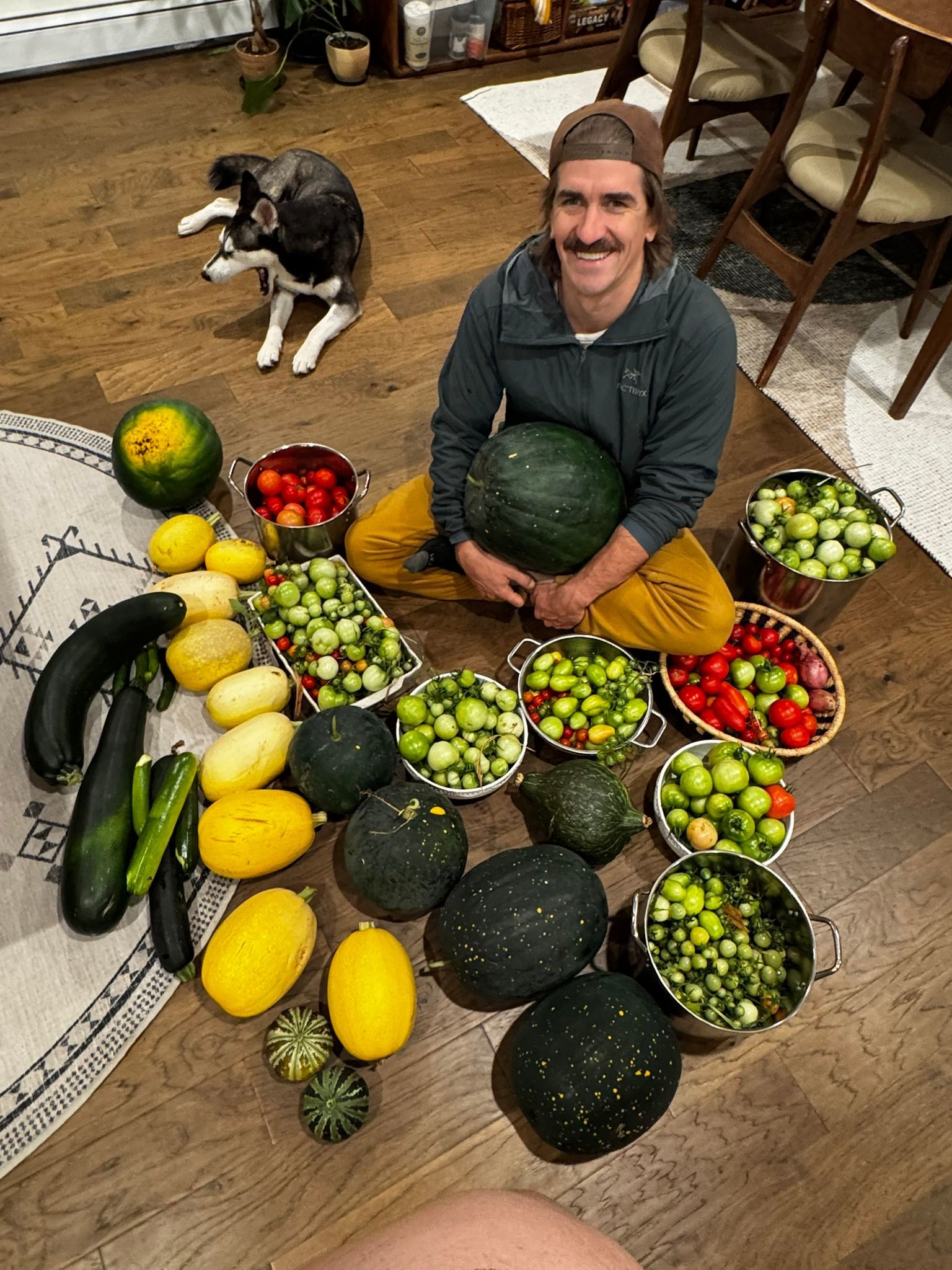
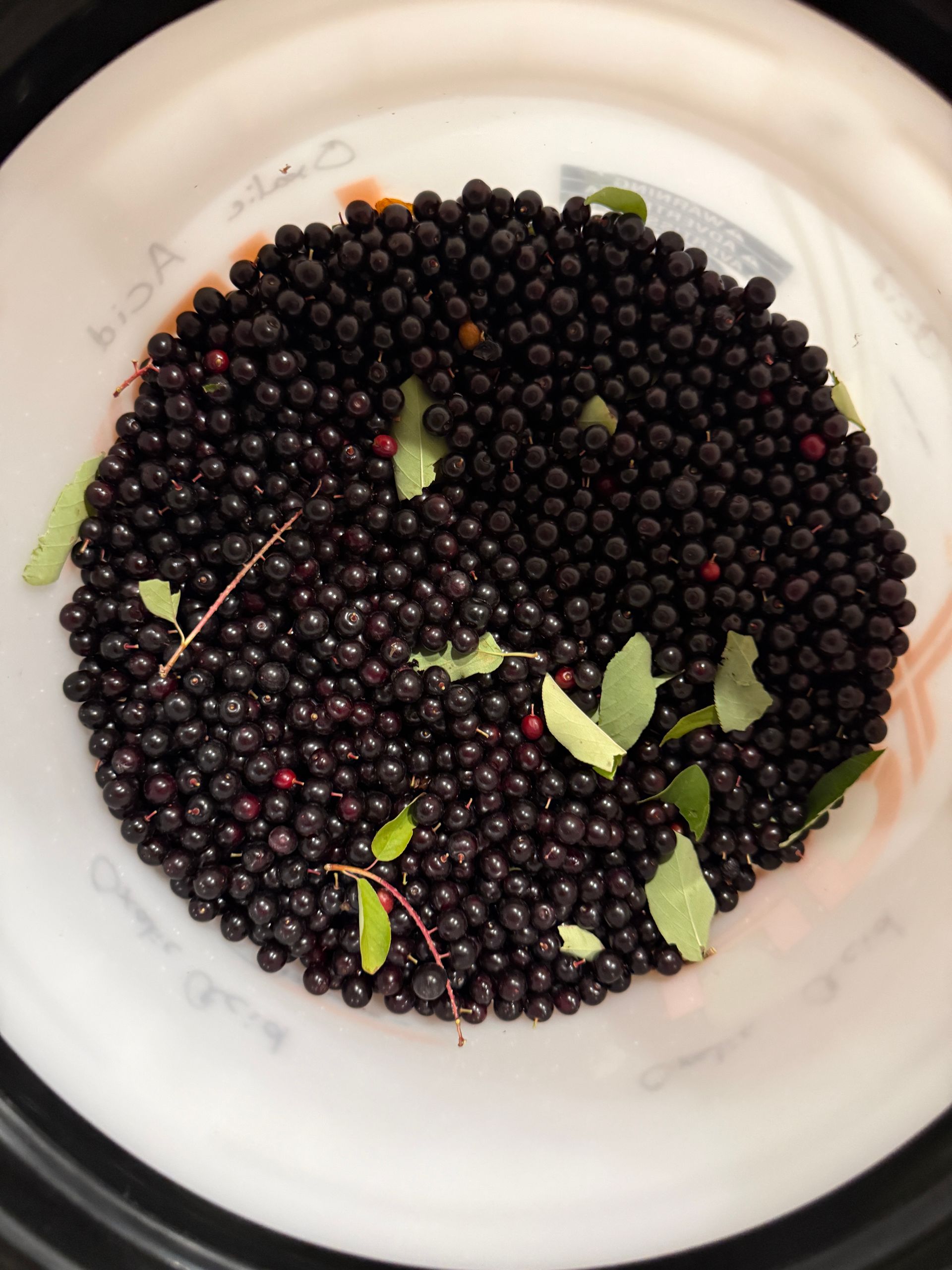
Food production
Soil building
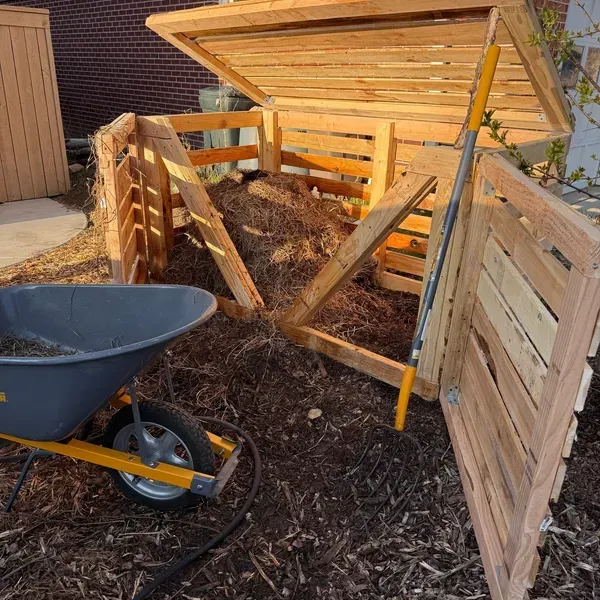
Composting
Orchards and perennial systems
Water management
Animals and livestock
Irrigation
Property infrastructure
Seasonal maintenance
Long-term land stewardship
I have learned that a design can make perfect sense on paper and still fail if it does not account for the realities of maintaining it. That is why I design with boththe landandthe people responsible for itin mind.
Sustainability & Regenerative Living
Looking Beyond the Property Plan
Permaculture is part of a broader conversation about how people participate in the ecological systems around them.
For those interested in the psychology, philosophy, and environmental questions behind this work,Dr. Jesse's Guide to Sustainability, Climate Change & Regenerative Livingexplores climate anxiety, ecopsychology, resilience, sustainability, and regenerative approaches to everyday life.