
Dr Jesse's Guide
Climate Anxiety, Ecopsychology & Regenerative Living
Climate change is not only an environmental issue. It can also affect how people think about safety, the future, responsibility, community, and what kind of world they are preparing to live in.
This guide explores climate anxiety, ecological grief, ecopsychology, sustainability, and regenerative living—and how our relationship with the natural world can shape psychological life.
Therapy, Assessment & Specialized Support
I provide depth-oriented psychotherapy for adults, with particular experience in religious trauma and faith transitions, as well as psychological and neuropsychological evaluations for a range of clinical, diagnostic, and functional questions.
Individual Psychotherapy
$210 / 50-minute session
One-on-one therapy for adults seeking a deeper understanding of recurring patterns, emotional difficulties, identity, relationships, beliefs, and meaning.
Neuropsychological Evaluation
$3,000
A comprehensive assessment of cognitive functioning when there are questions involving memory, attention, executive functioning, neurological conditions, or changes in everyday functioning.
Psychological Evaluation
$1,500
Broad psychological assessment designed to clarify emotional, personality, behavioral, or diagnostic questions and help inform treatment or next steps.
Autism Evaluation
$3,000
Assessment for adolescents and adults that may include the ADOS-2 alongside clinical history and other appropriate measures.
Dementia Evaluation
$1,000
Focused evaluation when changes in memory, thinking, or daily functioning raise questions about cognitive decline.
Disability Evaluation
$500
Assessment of IQ and adaptive functioning when documentation is needed to support eligibility for appropriate state services.
Religious Wounds Process Group
Specialized psychotherapy for people navigating religious harm, spiritual abuse, changing beliefs, loss of community, or the complicated process of rebuilding life outside a former faith system.
Ready to take the next step? Schedule a consultation to discuss your needs.
Climate Anxiety
What Is Climate Anxiety?
Climate anxiety describes worry, fear, distress, or uncertainty related to climate change and its present or future consequences. It is also commonly discussed as eco-anxiety or ecological distress. It may involve concerns about:
- Extreme weather and natural disasters
- Environmental degradation
- Future living conditions
- Food or water security
- Political and social instability
- The future of children or younger generations
- Loss of landscapes, species, or ecosystems
- Feeling powerless in the face of a global problem
Caring about climate change does not automatically mean something is psychologically wrong.
The more useful question is often how that concern is affecting your ability to live, relate, make decisions, and remain engaged with the world around you.
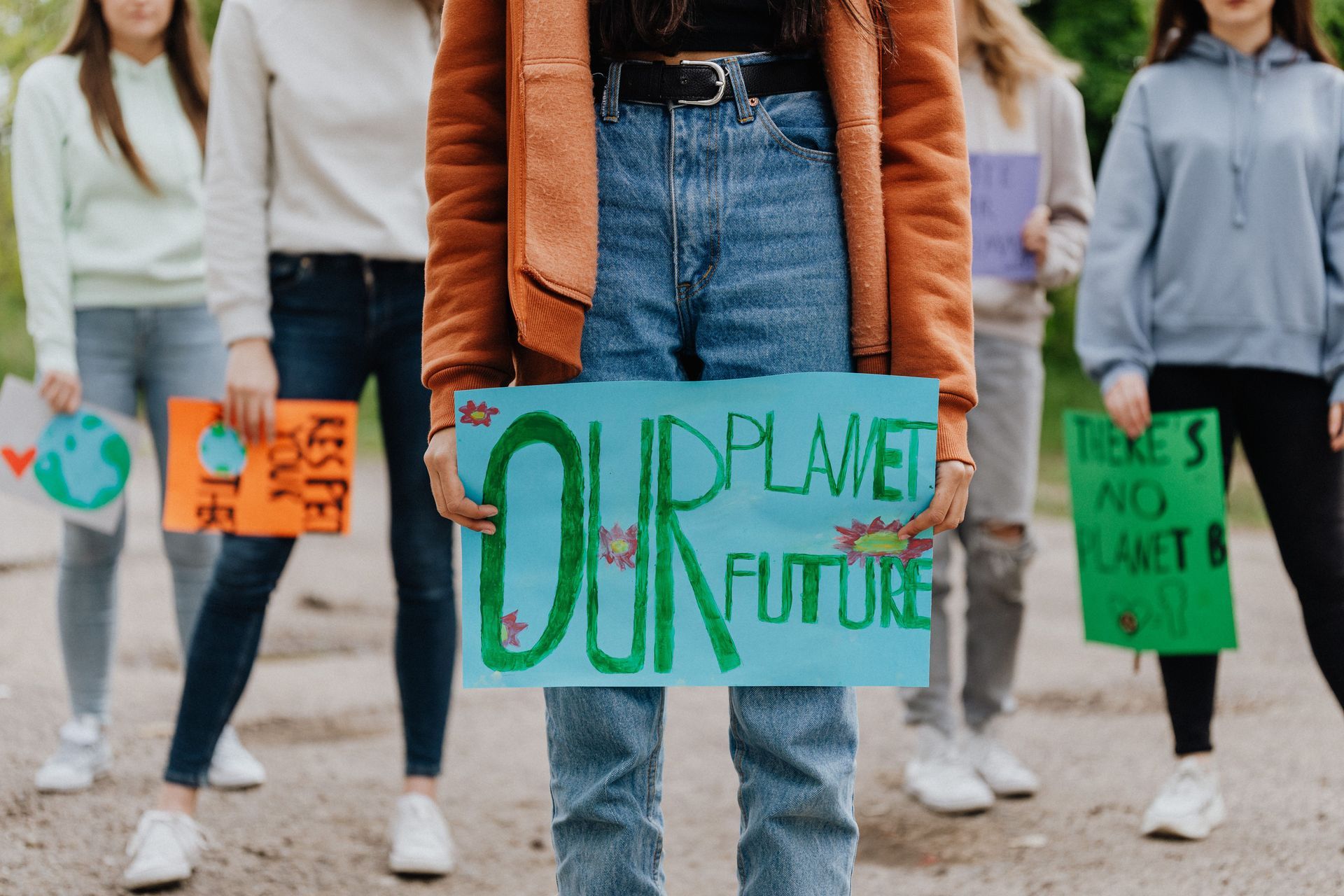
Climate Emotions
Climate Change Can Bring More Than Anxiety
Not everyone experiences environmental change primarily as fear. People may encounter a range of emotional responses.
Climate Grief
Grief can emerge when landscapes, species, communities, ways of life, or expectations about the future are lost or threatened.
Anger
Some people feel anger toward institutions, industries, governments, previous generations, or others they believe have failed to respond adequately.
Guilt
Concern about personal consumption, travel, food, energy use, or other environmental impacts can become a source of guilt.
Denial
Some people respond by minimizing, dismissing, or avoiding the reality or significance of climate change, particularly when the issue feels overwhelming, threatening, or difficult to reconcile with existing beliefs.
Helplessness
The scale of climate change can make individual actions feel insignificant.
Uncertainty
Even when someone understands the science, it can be difficult to know exactly how environmental change will affect their community, career, relationships, finances, or future.
Ecopsychology
What Is Ecopsychology?
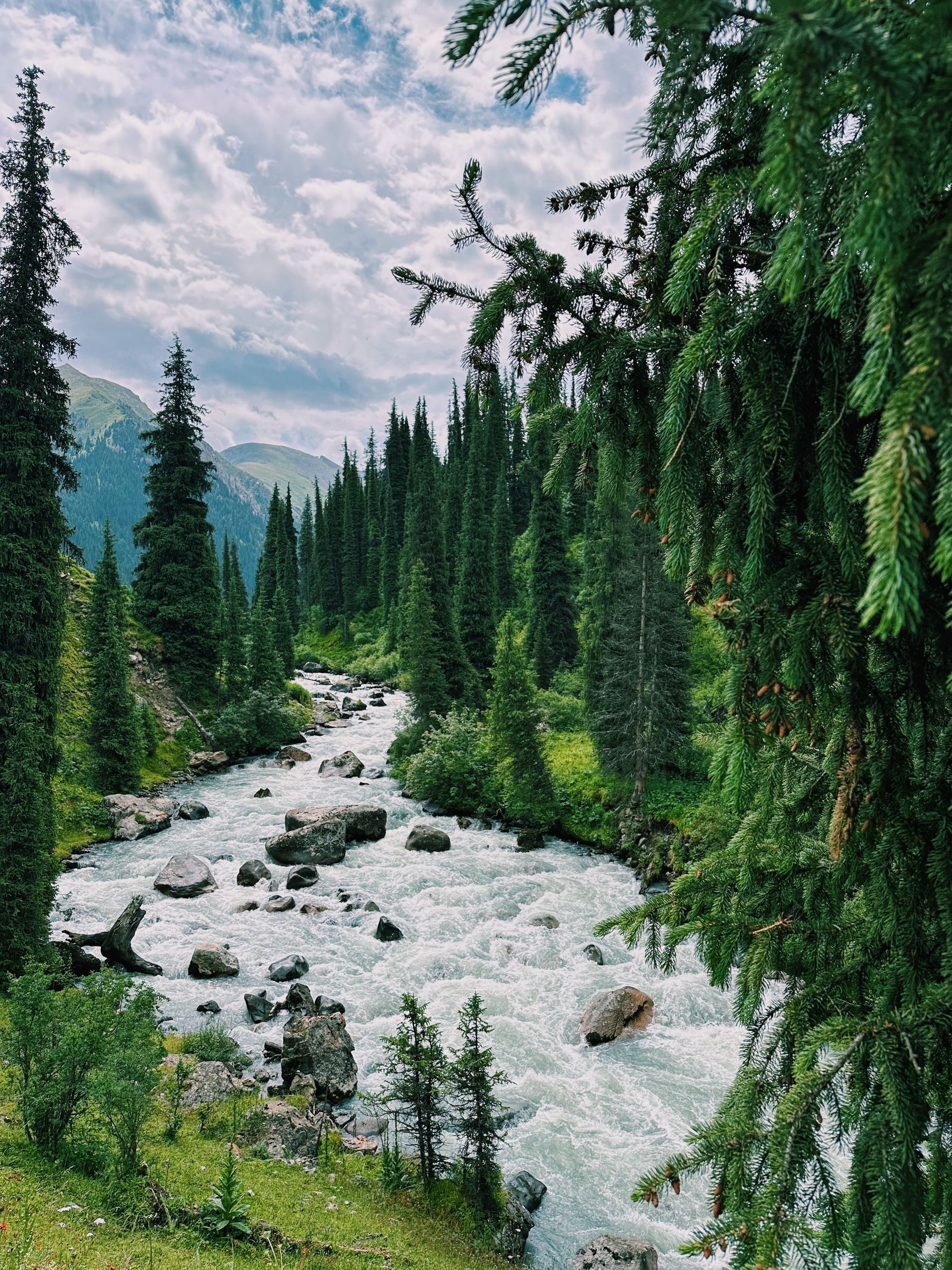
Ecopsychology examines the relationship between psychological life and the natural environment. Traditional psychology often focuses primarily on the individual, relationships, family, and culture.
Ecopsychology adds another question:
What happens when we consider people as participants in ecological systems as well?
- Connection with nature
- Place and belonging
- Environmental loss
- Ecological identity
- Climate-related distress
- Human relationships with other species
- How built environments affect wellbeing
- The psychological consequences of environmental degradation
The basic idea is not that nature can explain every psychological problem. It is that human wellbeing does not exist entirely apart from the environments in which people live.
Climate Change & Mental Health
How Can Climate Change Affect Psychological Wellbeing?
Climate change can influence mental health both directly and indirectly. Extreme weather and disasters can be associated with trauma, anxiety, depression, displacement, and disruption of communities.
Longer-term environmental changes can also contribute to distress through uncertainty, loss, economic pressure, disrupted social ties, and concern about the future.
Direct Experience
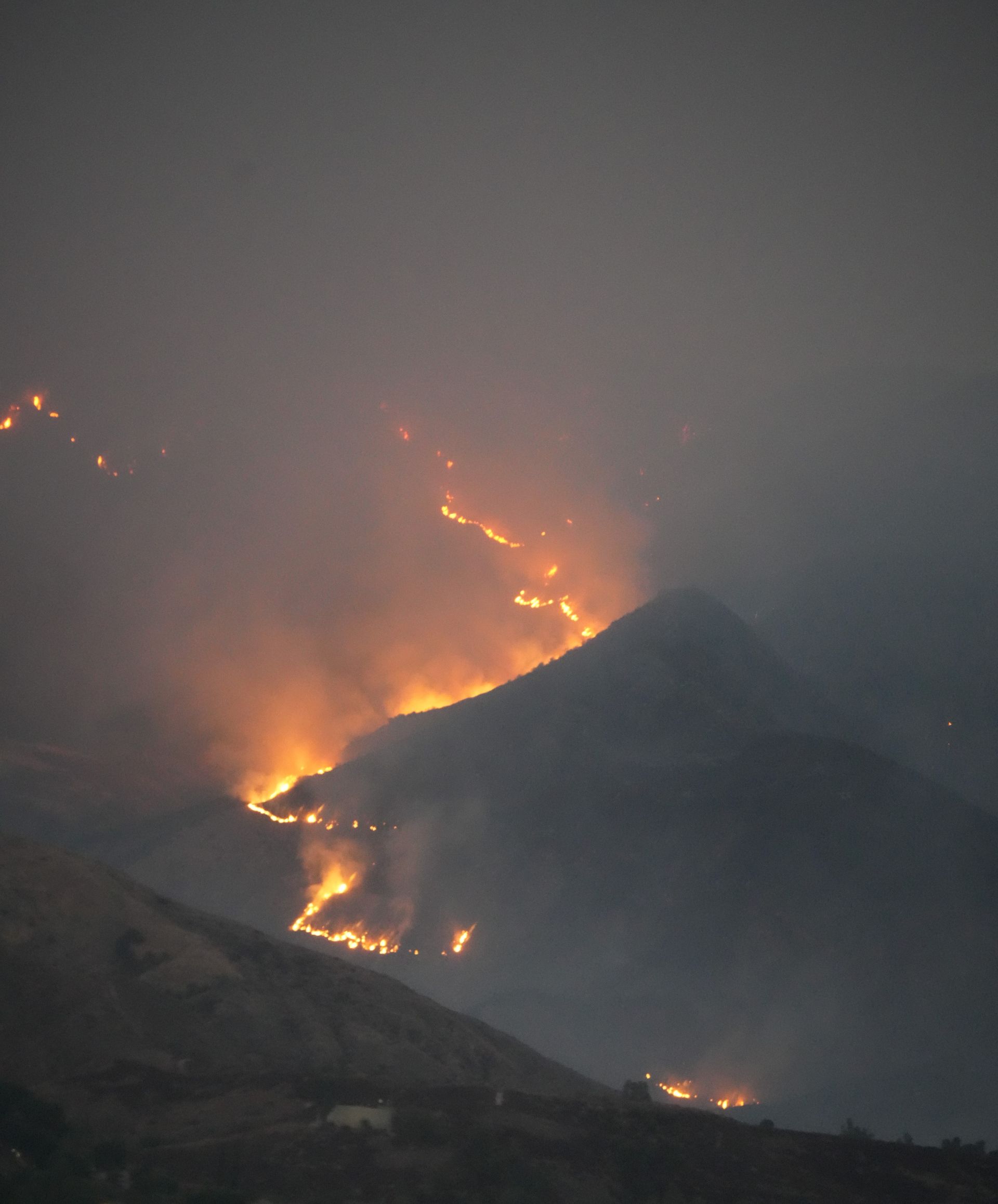
Wildfires, floods, heat, drought, storms, and other events can affect homes, livelihoods, health, and a sense of safety.
Anticipatory Distress
You do not need to experience a disaster personally to worry about what climate change may mean for your future.
Loss of Place
Environmental change can alter places that hold personal, cultural, or community meaning.
Social & Economic Stress
Climate effects can intersect with housing, employment, migration, healthcare, food systems, and other pressures already present in people's lives.
Climate Grief
What Does It Mean to Grieve an Environment?
People often associate grief with the death of another person. But grief can also follow the loss of places, ecosystems, species, ways of life, or expectations about the future. That loss may be gradual rather than sudden.
A familiar winter changes. A forest burns. A species becomes harder to find. A childhood landscape no longer looks the same.
Climate grief can be difficult because there may be no clear ritual for acknowledging it. Recognizing that grief does not solve the environmental problem. But giving it language can help distinguish caring deeply about loss from simply being overwhelmed by it.
Climate Change Responsibility
How Much Responsibility Can One Person Carry?
Climate change can influence mental health both directly and indirectly. Extreme weather and disasters can be associated with trauma, anxiety, depression, displacement, and disruption of communities.
That can create tension between personal responsibility and systemic responsibility.
Personal Choices Matter
How people use resources, manage land, consume, travel, eat, and participate in their communities can make a difference.
Individual Action Has Limits
No single person can personally solve a global ecological problem. Treating every environmental outcome as a reflection of individual moral success or failure can turn concern into chronic guilt.
Responsibility Can Be Shared
Environmental problems are collective problems. Responsibility can include individual choices while also involving community participation, institutions, political action, professional work, education, and larger systems.
From Awareness to Action
What Can Help With Climate Anxiety?
The goal does not have to be eliminating concern. Some concern is understandable when facing a real environmental problem.
A more useful goal may be to develop a way to
stay informed and
engaged without letting the problem consume every part of psychological life.
Identify What Is Within Your Control
Separate actions you can realistically take from outcomes you cannot personally control.
Turn Concern Into Specific Action
Broad fear can feel overwhelming. Concrete actions—however modest—give concern somewhere to go.
Stay Connected
Climate problems are collective. Community, conversation, shared projects, and mutual support can reduce the sense that responsibility rests entirely on one person.
Set Limits on Information
Being informed is different from remaining continuously exposed to alarming information. Pay attention to whether news and social media are helping you understand the issue or simply keeping your nervous system activated.
Make Room for More Than One Emotion
Concern about the environment can coexist with pleasure, relationships, creativity, work, humor, and ordinary life. Caring does not require remaining distressed every moment.
- Energy
- Food
- Water
- Transportation
- Housing
- Land use
- Waste
- Consumption
- Biodiversity
- Community resilience
Sustainability
What Does It Mean to Live Sustainably?
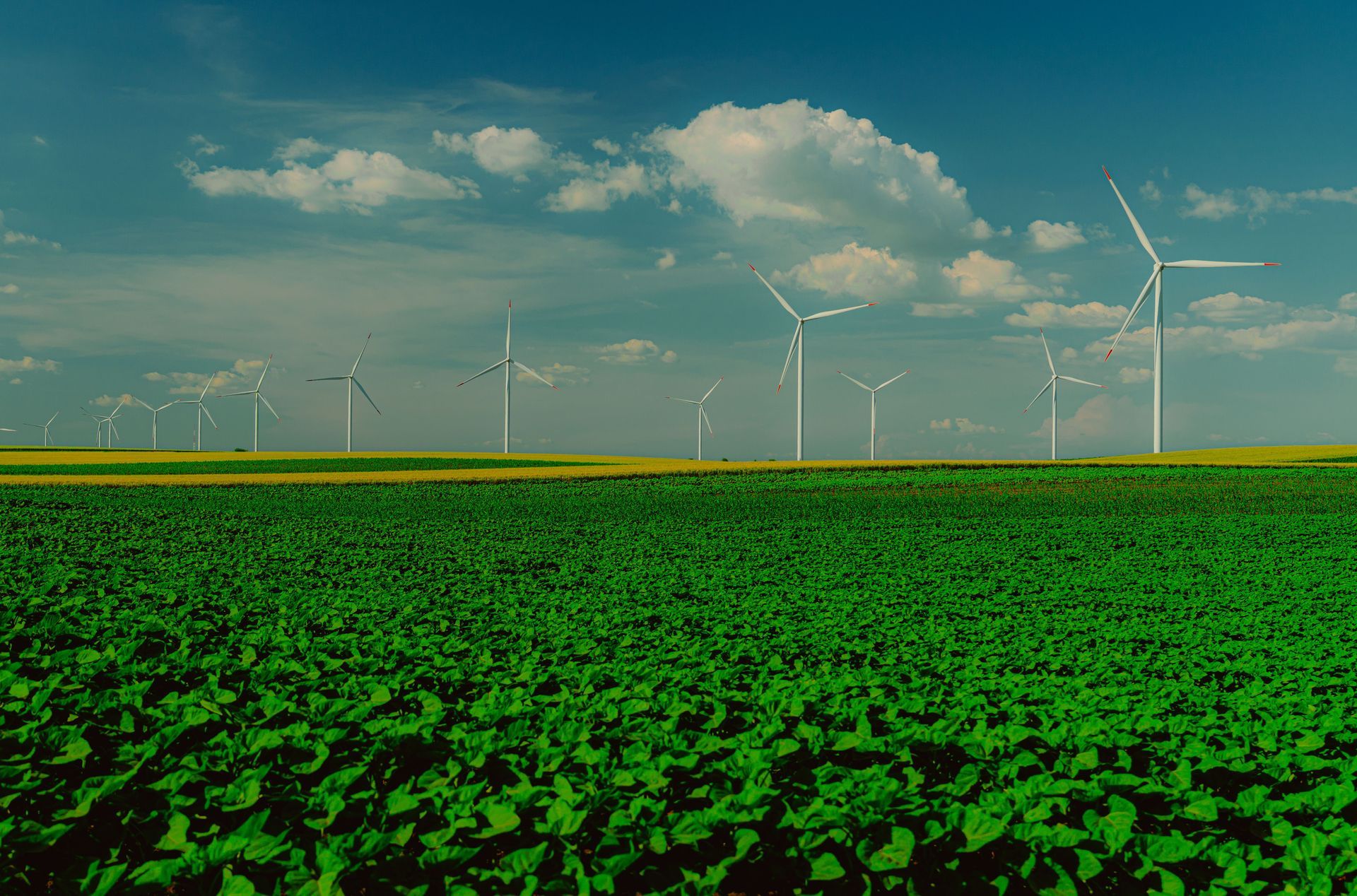
At its simplest, sustainability asks how human needs can be met without continually degrading the systems those needs depend upon. That can involve questions about:
- Energy
- Food
- Water
- Transportation
- Housing
- Land use
- Waste
- Consumption
- Biodiversity
- Community resilience
But sustainability can also become psychologically difficult when it is treated as a demand for perfection. No one lives without impact.
A more realistic question is:
How can the systems we participate in become less extractive and more capable of continuing over time?
- Energy
- Food
- Water
- Transportation
- Housing
- Land use
- Waste
- Consumption
- Biodiversity
- Community resilience
Beyond Sustainability
What Is Regenerative Living?
Sustainability often emphasizes reducing harm or maintaining what already exists.
Regenerative thinking asks an additional question:
Can our actions actively improve the systems we participate in?
Regenerative living can involve practices that restore or strengthen:
- Soil
- Water cycles
- Biodiversity
- Food systems
- Local ecosystems
- Community relationships
- Practical skills
- Local resilience
The exact form depends on where and how someone lives. For one person it may involve land management or food production. For another, it may mean supporting local systems, learning practical skills, participating in community projects, or changing how resources are used.
Regeneration is less about achieving ecological purity and more about participating differently in the systems that sustain us.
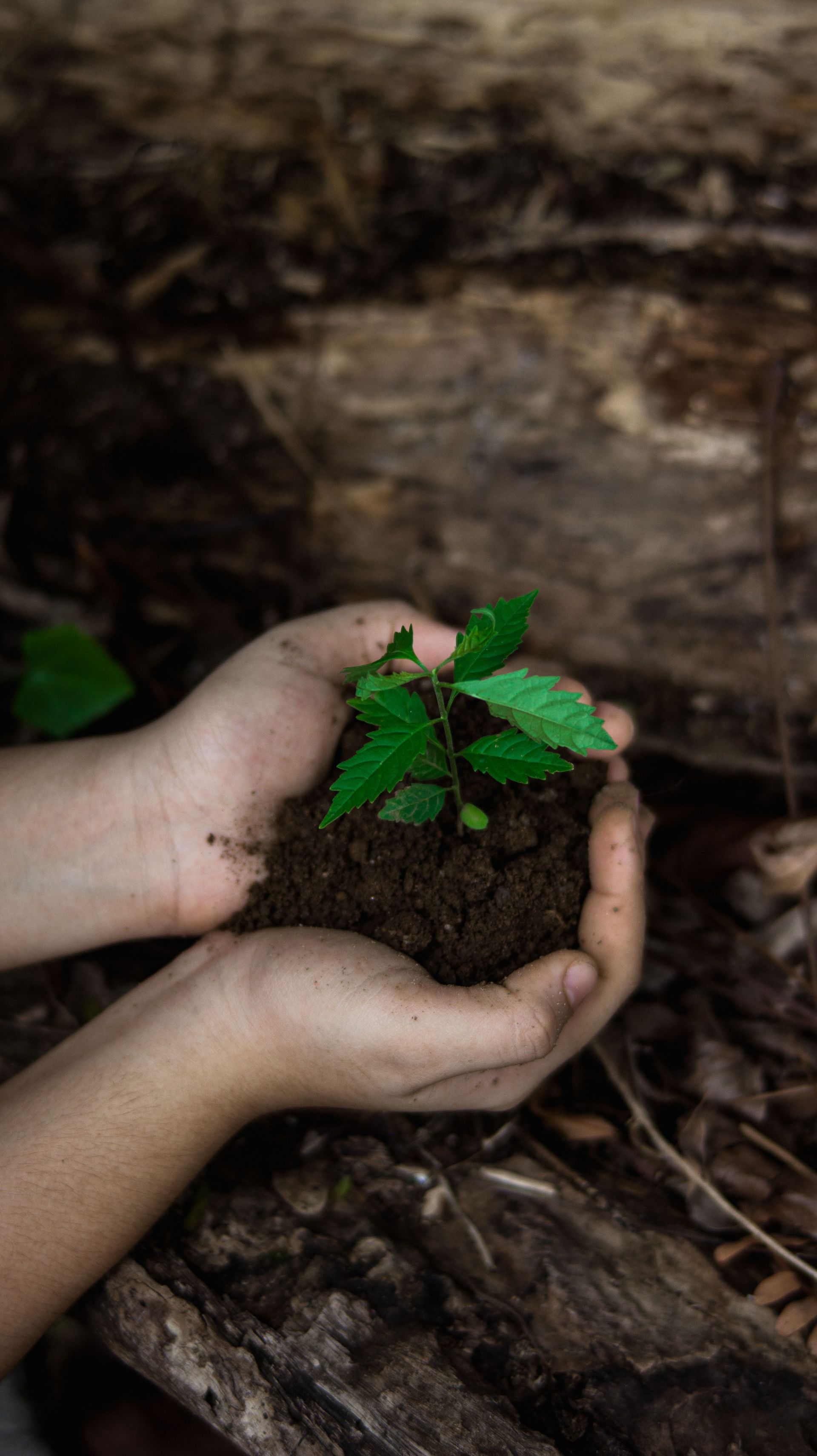
Permaculture
How Does Permaculture Fit Into Regenerative Living?
Permaculture
is a design approach that looks at relationships between land, water, soil, plants, animals, infrastructure, and people.
Rather than treating each element separately, the goal is to design systems in which those relationships function more effectively together. Permaculture may involve:
- Water harvesting
- Soil building
- Food production
- Perennial planting
- Animal systems
- Habitat
- Composting
- Energy and resource use
- Property layout
- Long-term resilience
It also offers a useful psychological shift. Instead of asking only: “What problem do I need to eliminate?”
A systems approach asks: “What relationships are creating this outcome, and how might the system be redesigned?”
- Energy
- Food
- Water
- Transportation
- Housing
- Land use
- Waste
- Consumption
- Biodiversity
- Community resilience
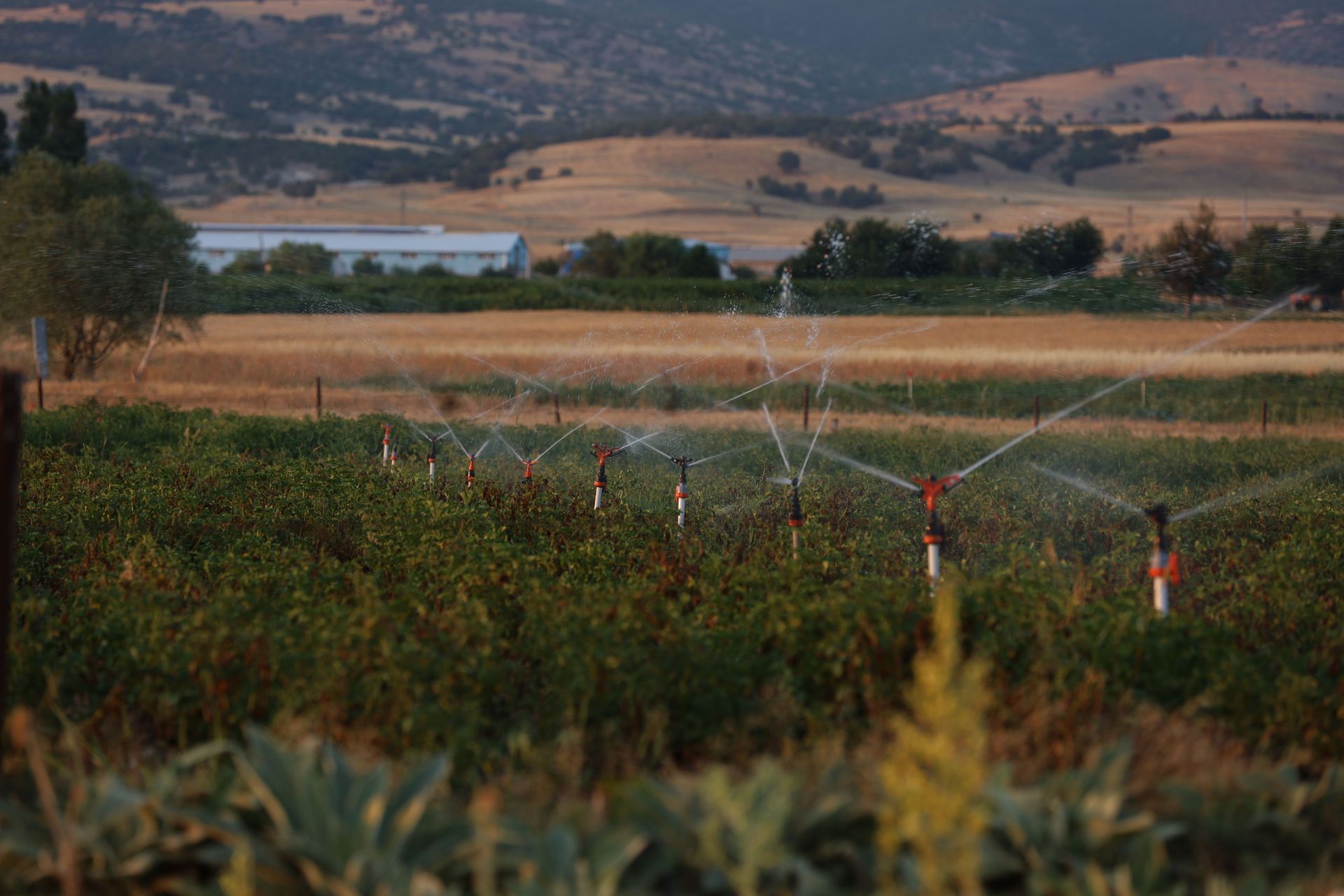
People & Systems
Regenerative Design Has to Work for Humans Too
An ecologically impressive system can still fail if nobody has the time, ability, resources, or desire to maintain it. People are part of the design. That means considering:
- Available time
- Physical ability
- Finances
- Family structure
- Age
- Skills
- Mental health
- Changing life circumstances
- What people actually enjoy doing
A system that depends on constant effort may not be resilient at all. Good regenerative design asks not only what is ecologically possible, but what people can realistically sustain.
- Energy
- Food
- Water
- Transportation
- Housing
- Land use
- Waste
- Consumption
- Biodiversity
- Community resilience
Resilience
What Does Resilience Actually Mean?
In ecological systems, resilience is better understood as the ability to respond to disturbance while maintaining or reorganizing essential functions.
A psychologically useful version of the same idea is
“How do I remain capable of responding when conditions change?”
That may involve:
- Strong relationships
- Flexible thinking
- Practical skills
- Community
- Access to resources
- Emotional awareness
- The ability to adapt plans
- Systems with more than one way to meet important needs
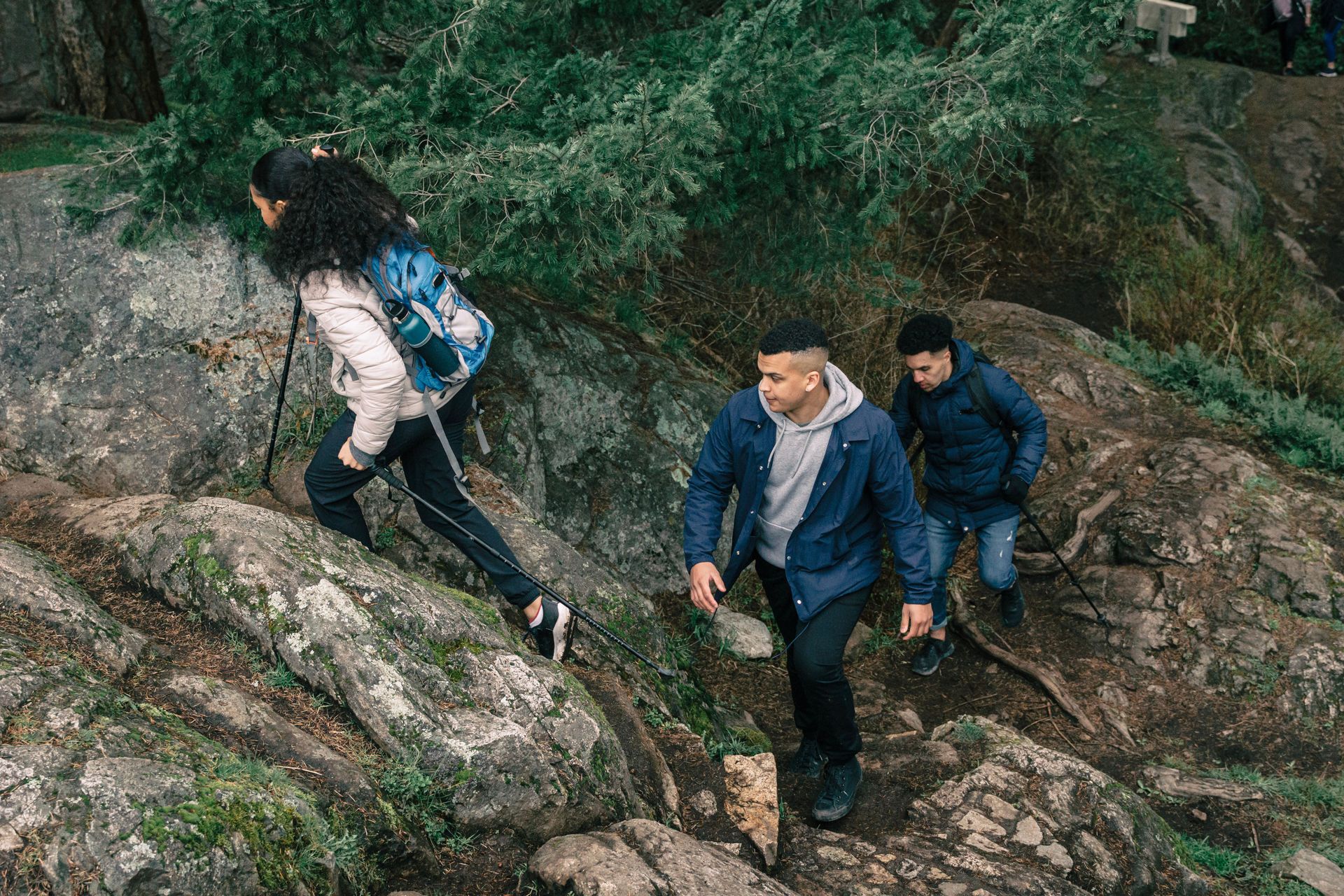
- Energy
- Food
- Water
- Transportation
- Housing
- Land use
- Waste
- Consumption
- Biodiversity
- Community resilience
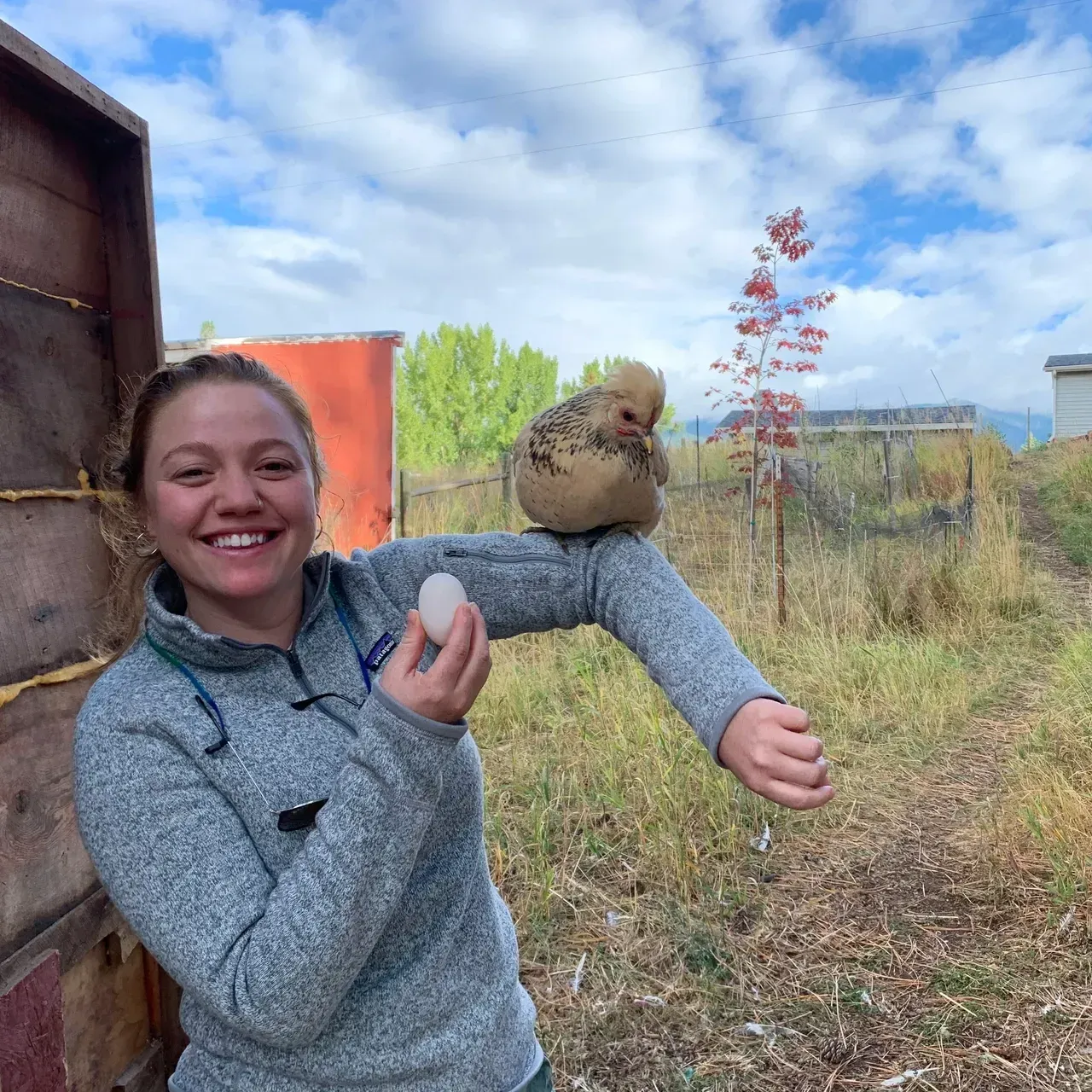
Hope
Does Responding to Climate Change Require Optimism?
Not necessarily. Optimism assumes that things will turn out well. Hope can function differently.
A person can recognize uncertainty and still decide that particular actions, relationships, projects, or values are worth investing in.
That distinction matters because meaningful action does not require certainty about the outcome. It requires deciding what is worth doing under the conditions that actually exist.
Questions for Reflection
Questions for Thinking About Ecology & Everyday Life
What environmental changes affect me most emotionally?
Which concerns can I influence directly?
Which responsibilities belong to larger systems?
Does environmental information help me act, or mostly leave me overwhelmed?
What places do I feel connected to?
What ecological losses have affected me personally?
What skills would make my household or community more resilient?
Where am I pursuing sustainability in ways that are actually unsustainable for me?
What would regeneration look like in the place where I live?
What kind of relationship with the natural world do I want to cultivate?
These questions deserve more than simple arguments for or against religion. They deserve attention.
From Dr. Jesse
Why Psychology & Ecology Belong in the Same Conversation
My interest in ecology grew from years of studying survival, regenerative agriculture, and eventually permaculture design.
Over time, I became less interested in how an individual survives apart from a system and more interested in
what makes systems worth living within in the first place.
My work in psychology led to a similar conclusion. People do not exist outside relationships, communities, cultures, economies, environments, or histories.
That does not mean psychology and ecology are the same discipline. They are not.
But both become more useful when we pay attention to relationships, context, adaptation, and the systems that make life possible.
Take the First Step
Sometimes the first step toward change is simply starting the conversation. Reach out to see whether working together feels like the right fit.