DR Jesse's Guide
Faith, Spirituality & the Psychology of Belief
Belief systems can shape how we understand ourselves, our relationships, our values, and what we consider meaningful or true. When those beliefs begin to change, the effects can reach far beyond religion alone.
This guide explores faith deconstruction, spiritual experience, religious identity, worldview, and the psychological questions that can emerge when inherited beliefs begin to shift.
Therapy, Assessment & Specialized Support
I provide depth-oriented psychotherapy for adults, with particular experience in religious trauma and faith transitions, as well as psychological and neuropsychological evaluations for a range of clinical, diagnostic, and functional questions.
Individual Psychotherapy
$210 / 50-minute session
One-on-one therapy for adults seeking a deeper understanding of recurring patterns, emotional difficulties, identity, relationships, beliefs, and meaning.
Neuropsychological Evaluation
$3,000
A comprehensive assessment of cognitive functioning when there are questions involving memory, attention, executive functioning, neurological conditions, or changes in everyday functioning.
Psychological Evaluation
$1,500
Broad psychological assessment designed to clarify emotional, personality, behavioral, or diagnostic questions and help inform treatment or next steps.
Autism Evaluation
$3,000
Assessment for adolescents and adults that may include the ADOS-2 alongside clinical history and other appropriate measures.
Dementia Evaluation
$1,000
Focused evaluation when changes in memory, thinking, or daily functioning raise questions about cognitive decline.
Disability Evaluation
$500
Assessment of IQ and adaptive functioning when documentation is needed to support eligibility for appropriate state services.
Religious Wounds Process Group
Specialized psychotherapy for people navigating religious harm, spiritual abuse, changing beliefs, loss of community, or the complicated process of rebuilding life outside a former faith system.
Ready to take the next step? Schedule a consultation to discuss your needs.
Faith Deconstruction
What Is Faith Deconstruction?
Faith deconstruction is the process of examining beliefs, assumptions, practices, and authorities that once formed part of a person’s religious worldview.
Sometimes that process leads someone away from religion. Sometimes it leads toward a different expression of faith. And sometimes it creates a period where certainty itself becomes less important than asking better questions.
Deconstruction can involve questions such as:
- Why do I believe what I believe?
- Which beliefs came from my own experience, and which were inherited?
- What happens if I disagree with my family or religious community?
- Can parts of my faith change without losing everything?
- What remains meaningful after certainty disappears?
- Who am I if I no longer identify with the worldview that shaped me?
Faith deconstruction is not one single psychological process, and there is no predetermined destination.
Belief Systems
How Belief Systems Shape the Way We See the World
A belief system is the network of ideas, values, assumptions, and convictions we use to make sense of ourselves and the world around us.
Together, those beliefs help form a worldview—shaping how we understand identity, meaning, morality, relationships, and what we consider to be true.
A worldview can influence how we understand the following:
Identity
Belief can become deeply connected to the answer to “Who am I?”. Religious identity may influence family roles, relationships, sexuality, vocation, morality, politics, and belonging.
Meaning & Purpose
Religion often provides a larger story about why life exists, how we should live, what suffering means, and what happens when life ends. When that framework changes, those questions do not simply disappear.
Community & Belonging
Faith is often lived through relationships. Changing belief may therefore affect friendships, marriage, family, community, and the sense of being known or accepted by others.
Morality
Religious systems can provide clear frameworks for right and wrong. Reconsidering those systems may require developing a more personal relationship with values, responsibility, ethics, and uncertainty.
Worldview Change
What Happens When a Worldview Begins to Change?
A worldview is the broader framework we use to interpret reality, values, identity, relationships, and meaning.
That framework can change when new experiences, information, relationships, or moral questions no longer fit comfortably within what we previously believed.
This can create uncertainty, tension, or even a sense of disorientation—especially when a worldview is closely tied to family, community, or identity.
Questioning a worldview does not necessarily mean something has gone wrong. It may simply mean that a person is reexamining how well their existing beliefs still fit their experience.
Spiritual Integration
What Does Spiritual Integration Mean?
Spiritual integration is the process of making sense of changing beliefs, values, experiences, and questions of meaning in a way that can fit more coherently with the rest of a person’s life.
It does not require replacing one belief system with another. Instead, it may involve deciding what parts of a previous tradition still feel meaningful, what no longer fits, and what new ideas or practices deserve further exploration.
The goal is not certainty. It is greater clarity about what feels authentic, useful, and sustainable moving forward.
What Might You Keep?
Not every element of an inherited tradition needs to be rejected simply because other parts no longer fit.
Ritual, community, ethical commitments, contemplative practices, stories, symbols, or forms of prayer may remain meaningful.
What Might You Reconsider?
Some beliefs may have been shaped by fear, shame, authority, cultural expectations, or assumptions that now deserve closer examination.
What Might You Discover?
A changing worldview can also create space for ideas and experiences that previously had no place to go.
Integration is less about assembling the perfect belief system and more about developing a relationship with your own experience that can tolerate complexity.
Religion & Psychology
What Does Psychology Have to Say About Religion?
Psychology does not need to determine whether a religious claim is ultimately true or false in order to study how belief functions in human life.
Religion can influence:
- Attachment and relationships
- Identity
- Community
- Moral development
- Meaning
- Fear and hope
- Ritual
- Grief
- Authority
- Shame
- Transcendent or extraordinary experience
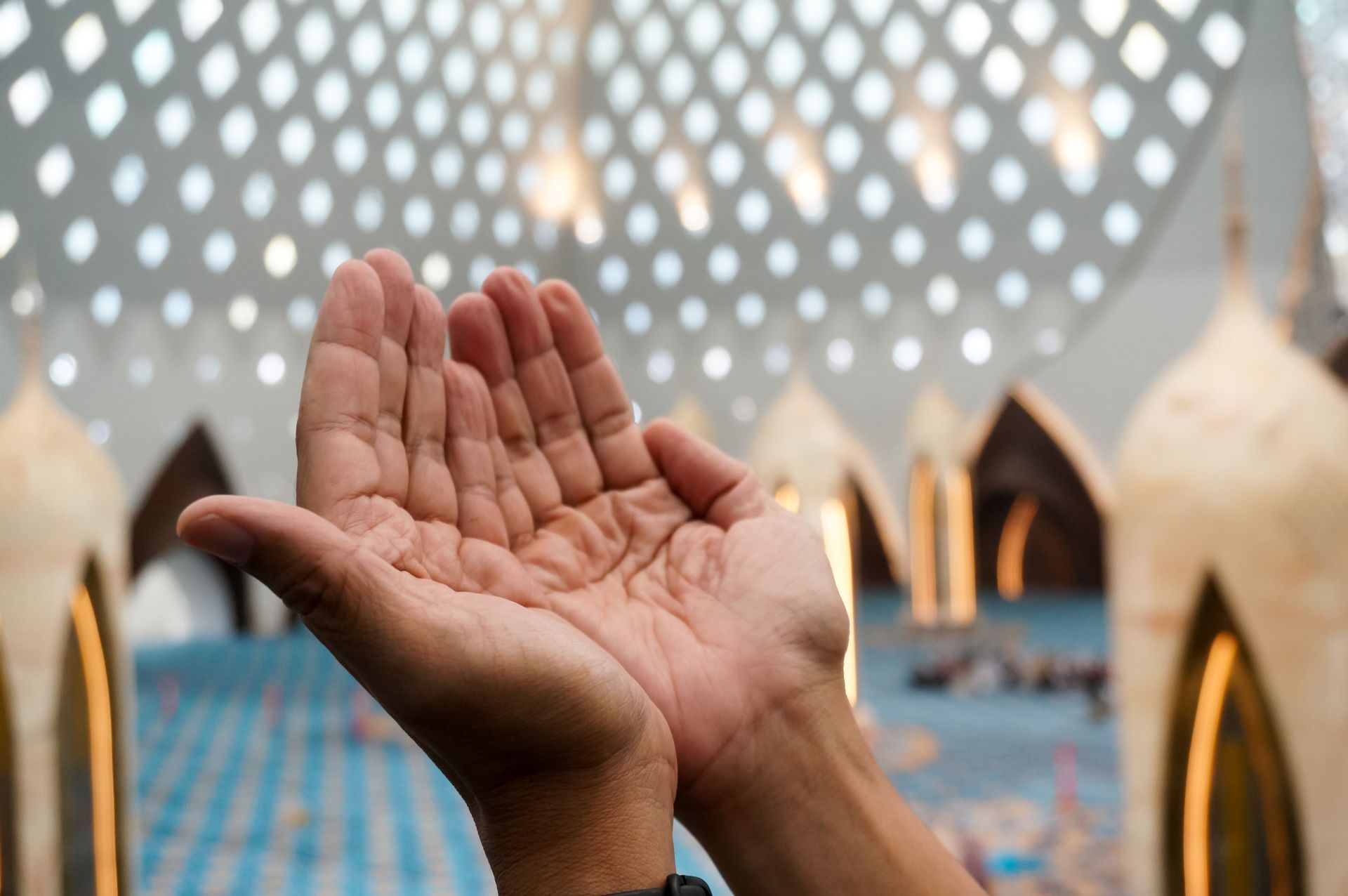
Religion can also be experienced in very different ways. For one person, faith may be a profound source of meaning, community, and resilience. For another, the same kind of system may be associated with fear, control, shame, or trauma.
Understanding religion psychologically requires making room for both possibilities.
Religious Trauma
Faith Deconstruction and Religious Trauma Are Not the Same Thing
These ideas often overlap, but they are not interchangeable.
Faith Deconstruction
Deconstruction describes the examination or reevaluation of beliefs and worldview. It may be difficult, liberating, intellectually exciting, painful—or all of those things at different times.
Religious Trauma
Religious trauma involves psychological harm connected to religious experiences, environments, teachings, or authority. That might include:
- Spiritual abuse
- Coercion
- Chronic fear
- Shame
- High-control environments
- Purity culture
- Threats of punishment or damnation
- Rejection related to identity or sexuality
- Loss of community after questioning or leaving
A person can experience faith deconstruction without religious trauma. A person can also carry religious trauma while remaining religious. The distinction matters because the questions involved are not always the same.
Questions for Reflection
Questions Worth Sitting With
What beliefs feel truly mine?
Which beliefs depend primarily on fear?
What parts of my religious history still matter to me?
What am I afraid might happen if my beliefs change?
What did my community give me that I still value?
What did it make difficult?
How has religion shaped the way I relate to myself?
What values remain important even if my theology changes?
Where do I now experience meaning, connection, or awe?
What kind of person do I want to become?
From Dr. Jesse
Why I Keep Returning to These Questions
I grew up as a pastor’s son in western Montana and spent much of my early life deeply immersed in Christianity.
My own questions about faith eventually led me through spiritual crisis, transpersonal psychology, philosophy, depth psychology, clinical training, and a much longer reconsideration of what belief means.
That history is part of why religion continues to interest me.
Not because I think there is one psychological answer to faith, but because
belief sits remarkably close to identity, meaning, relationship, culture, and the stories through which we understand our lives.
These questions deserve more than simple arguments for or against religion. They deserve attention.

Further Reading
Explore More on Belief & Faith

Before Theology: How We Know What We Know
A reflection on belief, knowledge, certainty, and the assumptions beneath the worldviews we inherit.

Faith and Sense: On the Divided Self and the Limits of Choice
An exploration of what happens when belief, experience, and identity begin pulling in different directions.
Drawing a New Map: On Worldview, Belief, and Where to Begin
What happens when the worldview that once guided you no longer seems to match your experience?

Philosophy & Metaphysics
Explore questions about consciousness, free will, ethics, identity, existence, knowledge, and the nature of reality.
When Faith Fails and the Universe Ruptures
A reflection on what can happen when changing belief disrupts not only theology, but meaning, identity, and belonging.
Take the First Step
Sometimes the first step toward change is simply starting the conversation. Reach out to see whether working together feels like the right fit.